8 hr
Chobe National Park Full-Day Safari from Kasane
- Expert local guide
- Small group
- Skip-the-line access
- Free cancellation
Chobe National Park Safari — Game Drives & River Cruises
Where fifty thousand elephants roam the riverbanks, and the Chobe River shapes every hour of the wild
Compare fares, pick the fit — all bookings are mobile-voucher and eligible for free cancellation where shown.
8 hr
24 hr
10 hr
| Experience | Duration | Rating | Lunch | Skip-the-line | Guide | Small group | Price | |
|---|---|---|---|---|---|---|---|---|
|
Guided Experience
Most popular
Chobe National Park Full-Day Safari from Kasane
|
8 hr | ★ 4.6 | ✓ | ✓ | ✓ | ✓ | €107 | Book → |
|
Guided Experience
Chobe National Park Full-Day Safari with Land & River Adventure
|
24 hr | ★ 4.6 | ✓ | ✓ | ✓ | ✓ | €150 | Book → |
|
Guided Experience
Chobe National Park Day Safari from Victoria Falls
|
10 hr | ★ 4.5 | ✓ | ✓ | ✓ | ✓ | €141 | Book → |
Worth it for wildlife enthusiasts and photographers
The 270 BWP daily conservation fee grants access to one of Africa's most concentrated elephant populations—herds of 100+ animals converge along the Chobe River during dry season, offering unparalleled viewing opportunities. River safari tours reveal hippos, crocodiles, and buffalo at the water's edge, while game drives through mopane woodland deliver lion, leopard, and wild dog sightings. The fee supports critical anti-poaching efforts and habitat preservation across 11,700 square kilometers. For serious wildlife photographers and first-time safari visitors, the density and proximity of megafauna justify the cost—you'll witness behaviors (bull elephants swimming between islands, prides hunting along floodplains) rarely seen elsewhere. Casual nature tourists may find better value at smaller reserves, but chobe national park safari tours deliver benchmark African wildlife encounters that validate the investment for dedicated observers.
Bottom line: If elephant herds and river-based game viewing top your safari wishlist, the conservation fee delivers exceptional wildlife return on investment.
They complement each other; visitors who prioritize high-density land sightings choose a chobe national park safari, while those seeking aquatic tranquility prefer the delta.
|
Top pick Chobe National Park |
Okavango Delta | |
|---|---|---|
| Wildlife Viewing Style | High-density riverfront game drives | Water-based mokoro and boat trips |
| Primary Landscapes | Riverine forests and floodplains | Internal delta channels and lagoons |
| Best Season for Wildlife | May to September (dry season) | June to August (flood season) |
| Accessibility | Road access via Kasane | Light aircraft or boat access |
| Typical Trip Duration | 1–3 days | 2–4 days |
| Conservation Fee Focus | Daily per visitor entry | Concession-based park fees |
| See tickets & prices |
Verdict: Securing chobe national park safari tickets is ideal for viewing large elephant herds, whereas the Okavango Delta offers an immersive experience for those booking chobe national park safari tours or delta expeditions.
Hand-picked experiences loved by thousands of travelers
9 hours
Free Cancellation
Dual wildlife adventure: morning jeep safari through elephant territory, afternoon cruise on the Chobe River
11 hours
Free Cancellation
Intimate 6-guest safari combining boat cruise, game drive, and gourmet lunch in Botswana's wildlife haven
6 hours
Free Cancellation
Cross into Botswana before sunrise for a 3-hour open-vehicle game drive and wilderness breakfast
10 hours
Free Cancellation
Journey into Botswana for an unforgettable day exploring Chobe's legendary wildlife by land and water
1 day (8 hours)
Free Cancellation
Cross into Botswana for a complete wildlife experience combining game drive and river cruise
2 days
Free Cancellation
Sleep under the stars in Botswana's wildlife haven and witness elephants, lions, and hippos in their natural habitat
8 hours
Free Cancellation
Full-day private expedition combining game drives and river cruises in Botswana's wildlife paradise
3 hours
Free Cancellation
Track big cats and elephants along the Chobe River on an exclusive 3-hour wildlife safari adventure
Known for massive elephant herds and riverine wildlife viewing along the water.
An inland basin famous for predator activity and large zebra migrations.
A secluded region featuring lagoons and diverse antelope species.
A lush sector offering the most consistent game viewing and elephant sightings.
Remote natural depressions that attract wildlife after the rainy season.
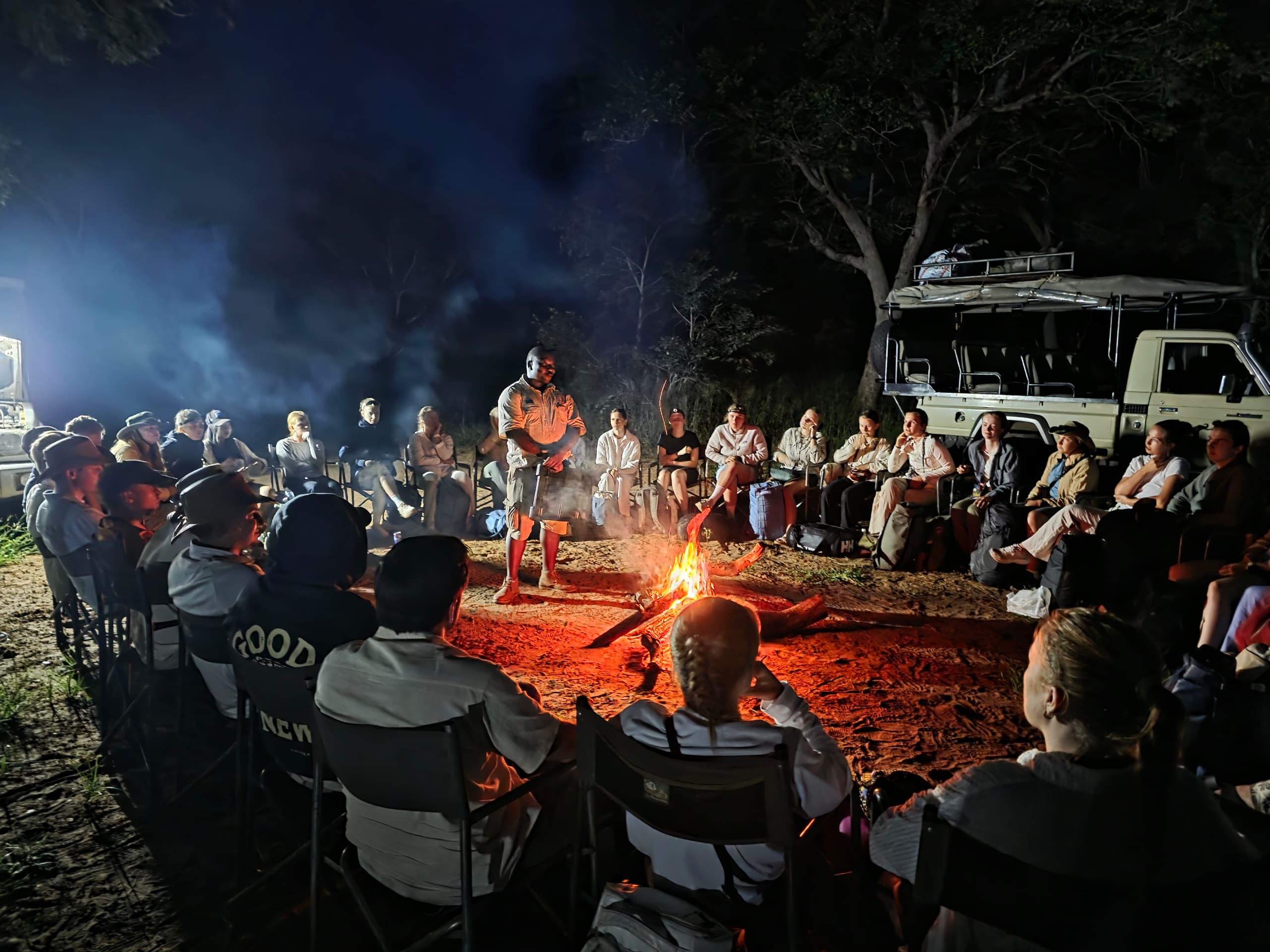
You enter Chobe National Park at the Sedudu Gate just after dawn, when the air is cool and the dust has not yet risen. Your guide briefs you on the morning's route as the vehicle turns north toward the Chobe riverfront, following a sand track that parallels the water.
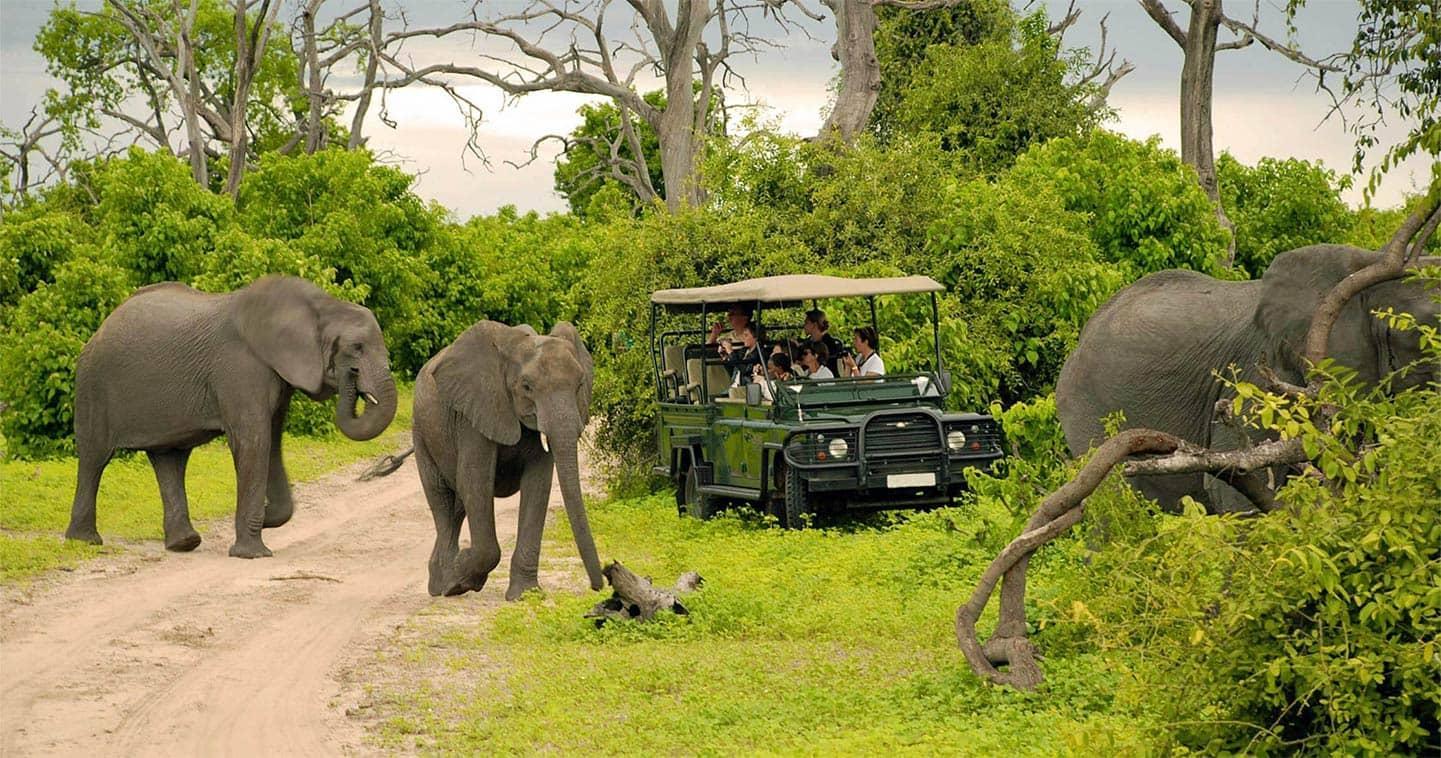
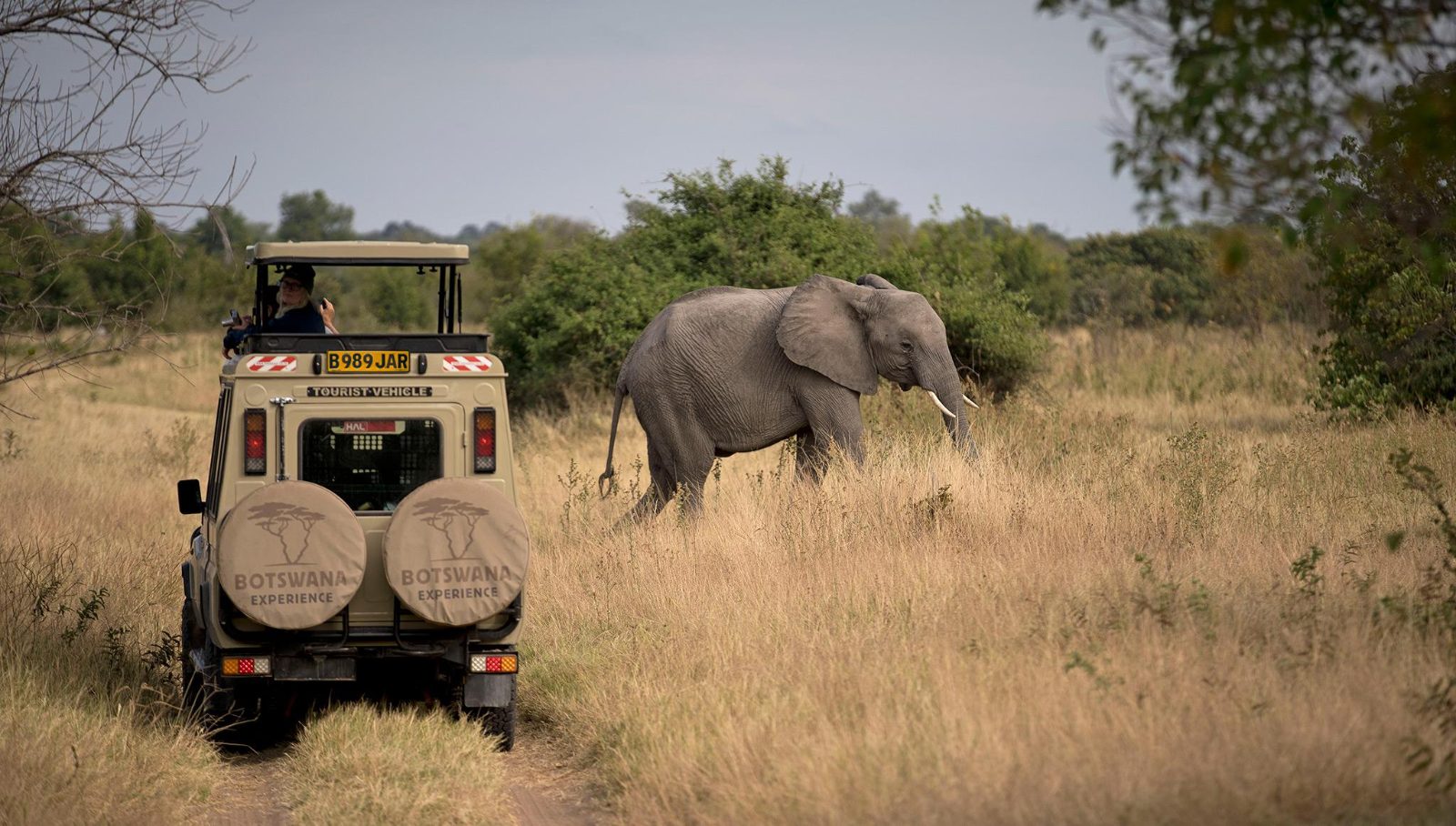
Within ten minutes, you spot your first herd — a family group of eleven elephants, including two juveniles, moving single-file through mopane scrub toward the river.
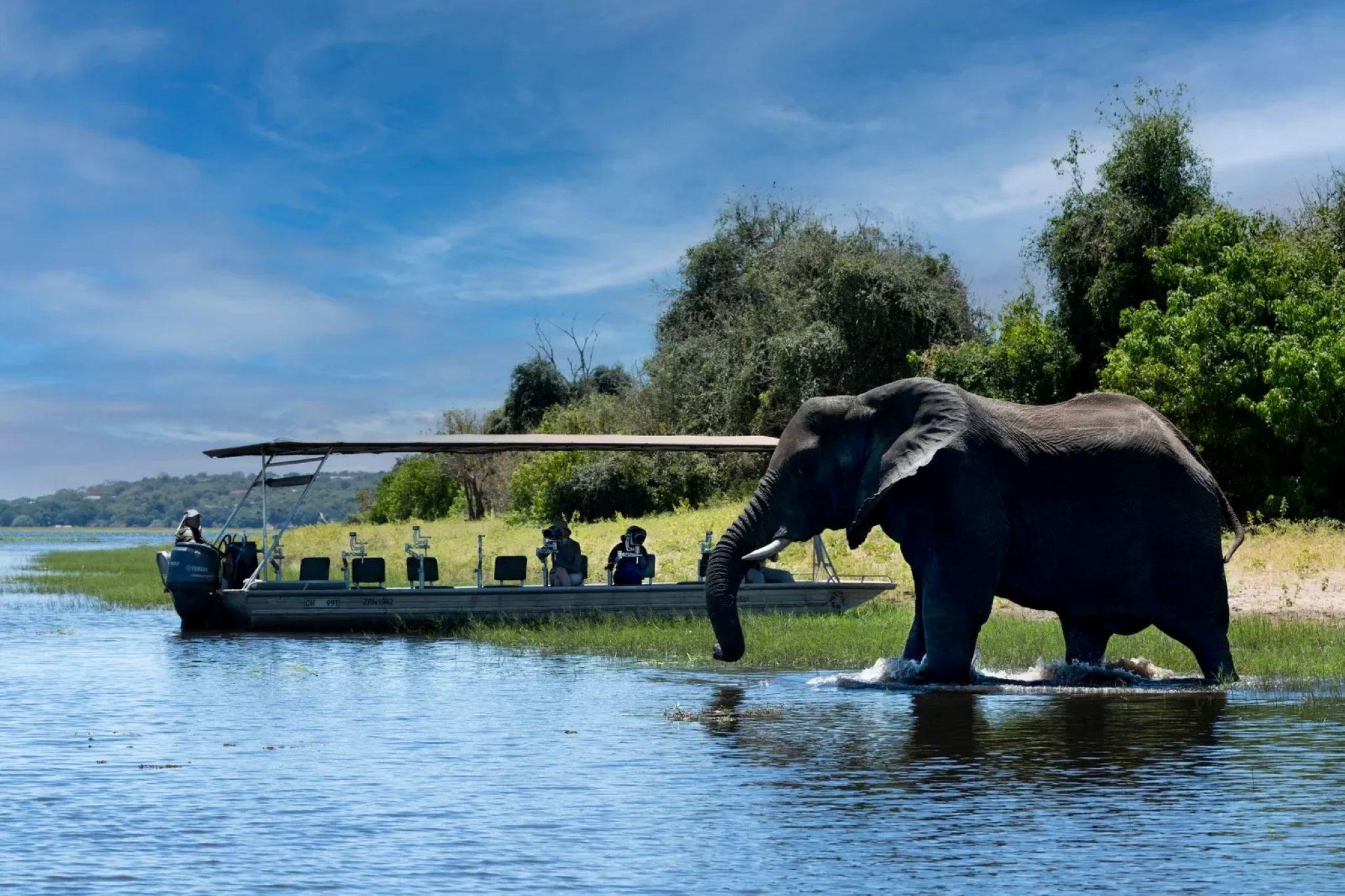
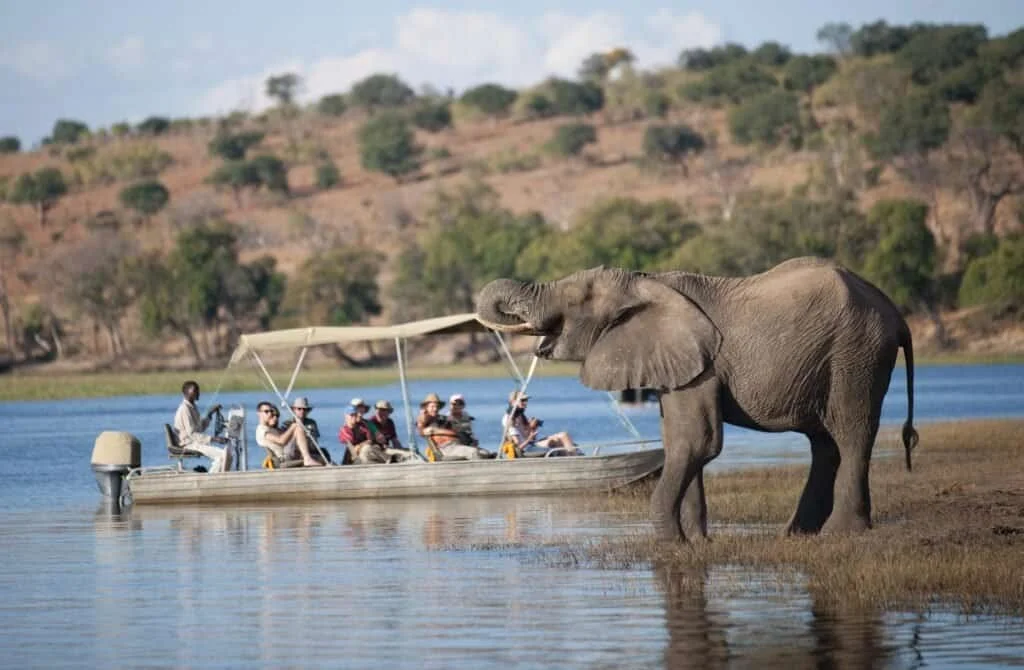
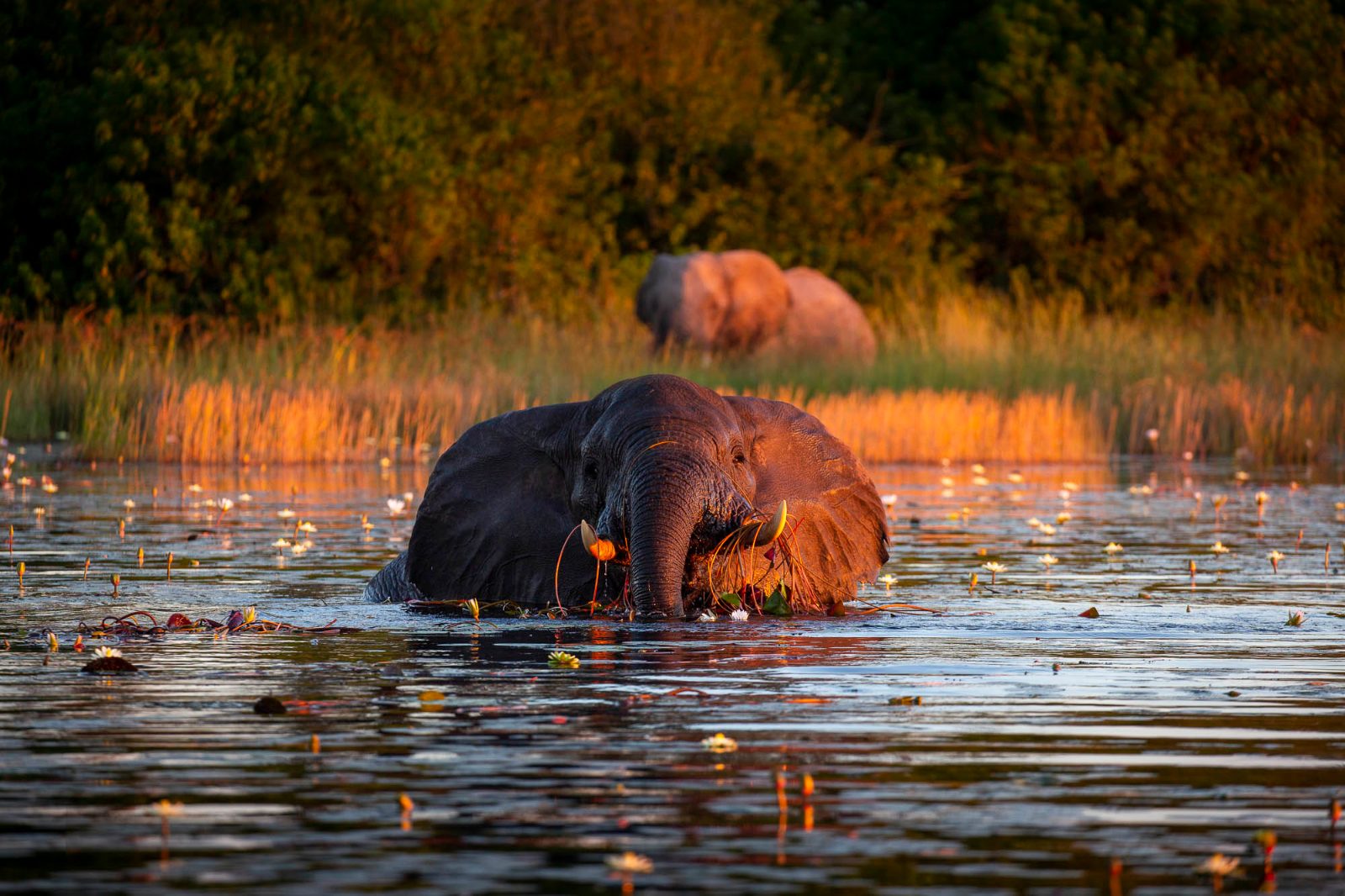
The game drive proceeds in loops and pauses, your guide reading spoor and listening for alarm calls. You stop beside a muddy pan where a lone buffalo bull drinks, then continue to a clearing where impala graze in the shade of a sausage tree. By mid-morning, the temperature climbs, and you return to the riverfront for a boat-based cruise. The transition from land to water shifts perspective entirely. You glide past crocodiles sunning on sandbanks, hippos submerged to their nostrils, and elephant herds wading chest-deep to feed on aquatic grasses. A fish eagle calls from a dead tree. The Chobe River safari tour concludes at noon, as the heat peaks and the animals retreat to cover.
All the details about your upcoming adventure in one place
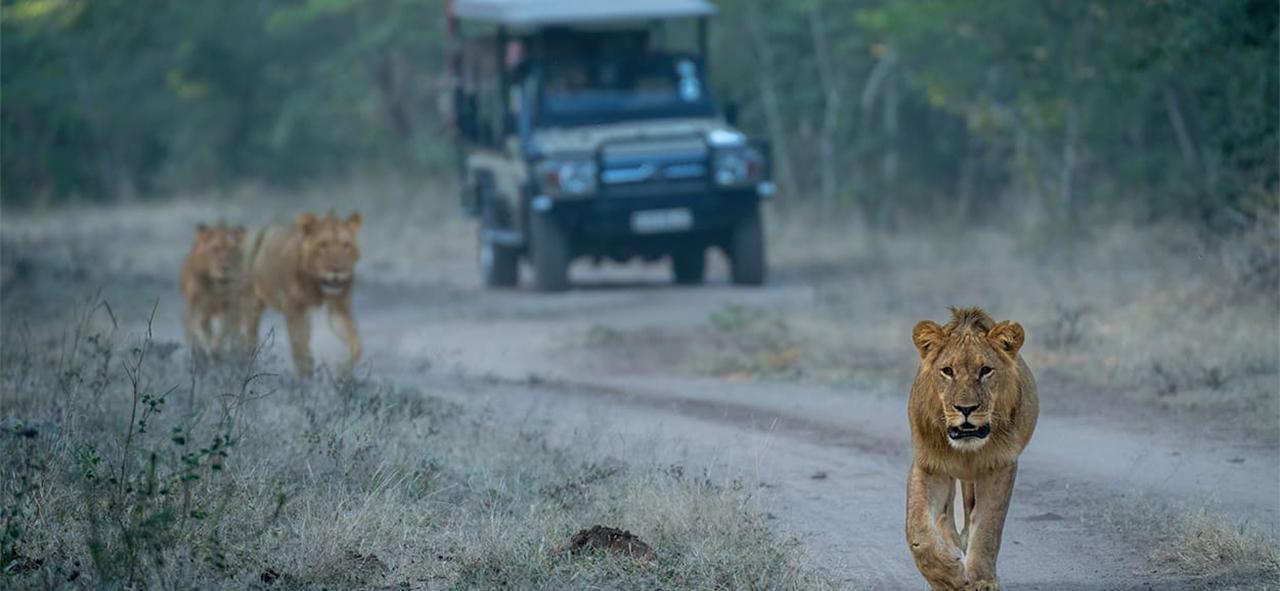
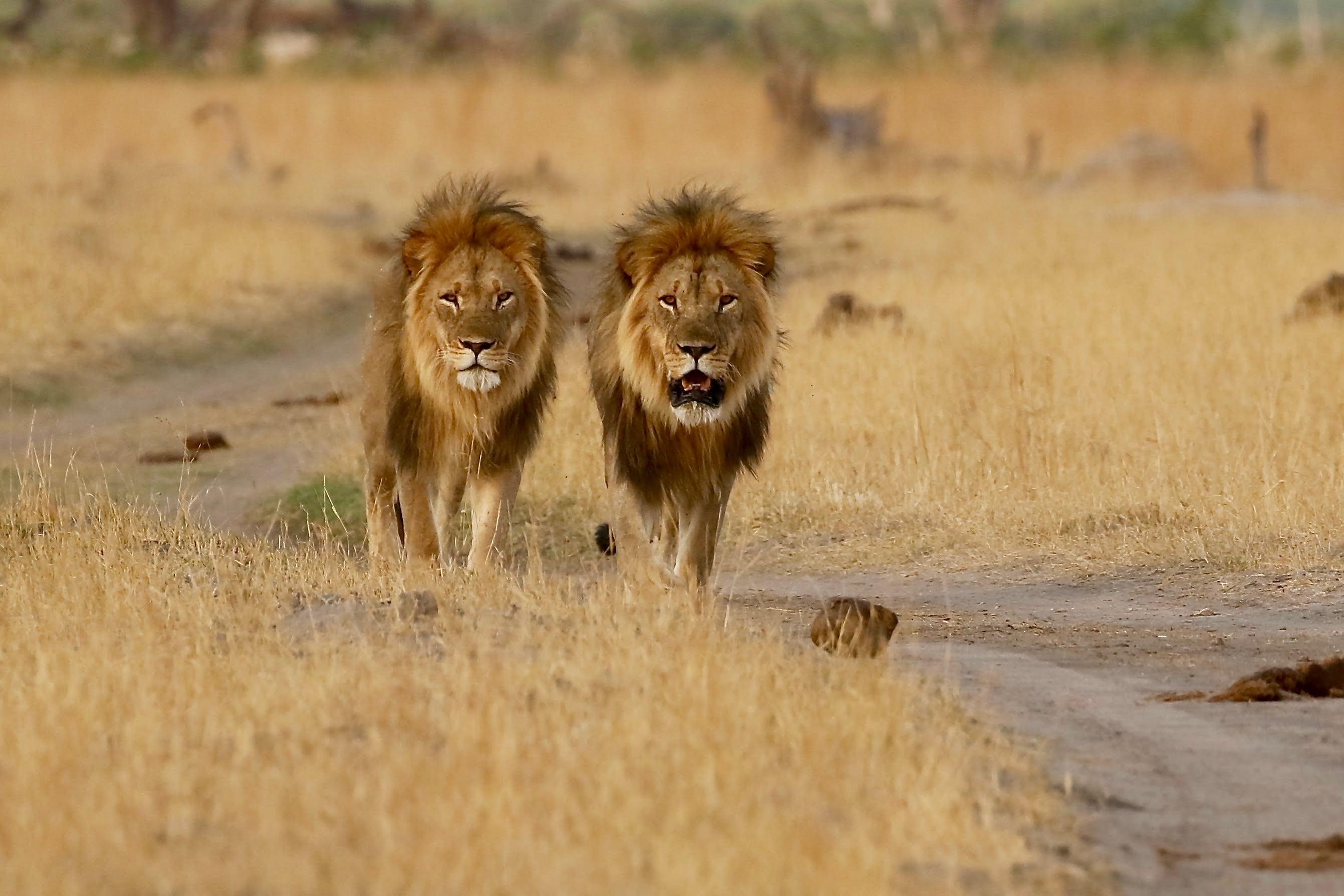
A chobe national park safari delivers close encounters with one of Africa's densest elephant populations along the Chobe River floodplains. Game drives traverse mopane woodland and riverine forest, where herds of Cape buffalo, sable antelope, and predators including lion and leopard thrive year-round. Chobe safari tours typically combine morning and afternoon drives to maximize wildlife sightings across diverse habitats.
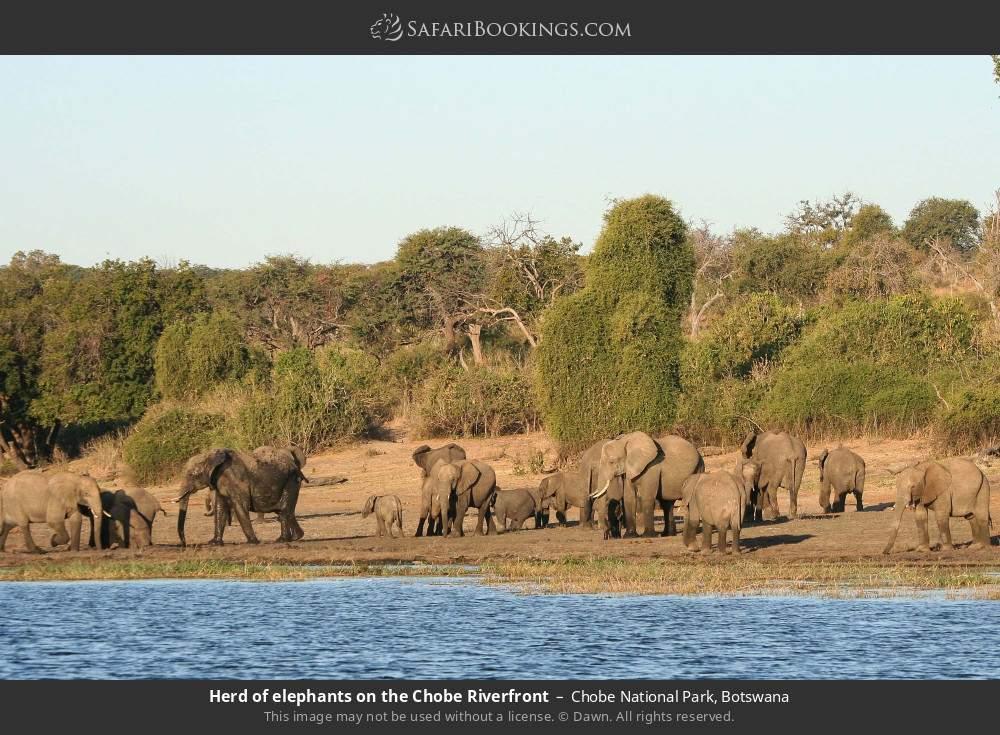
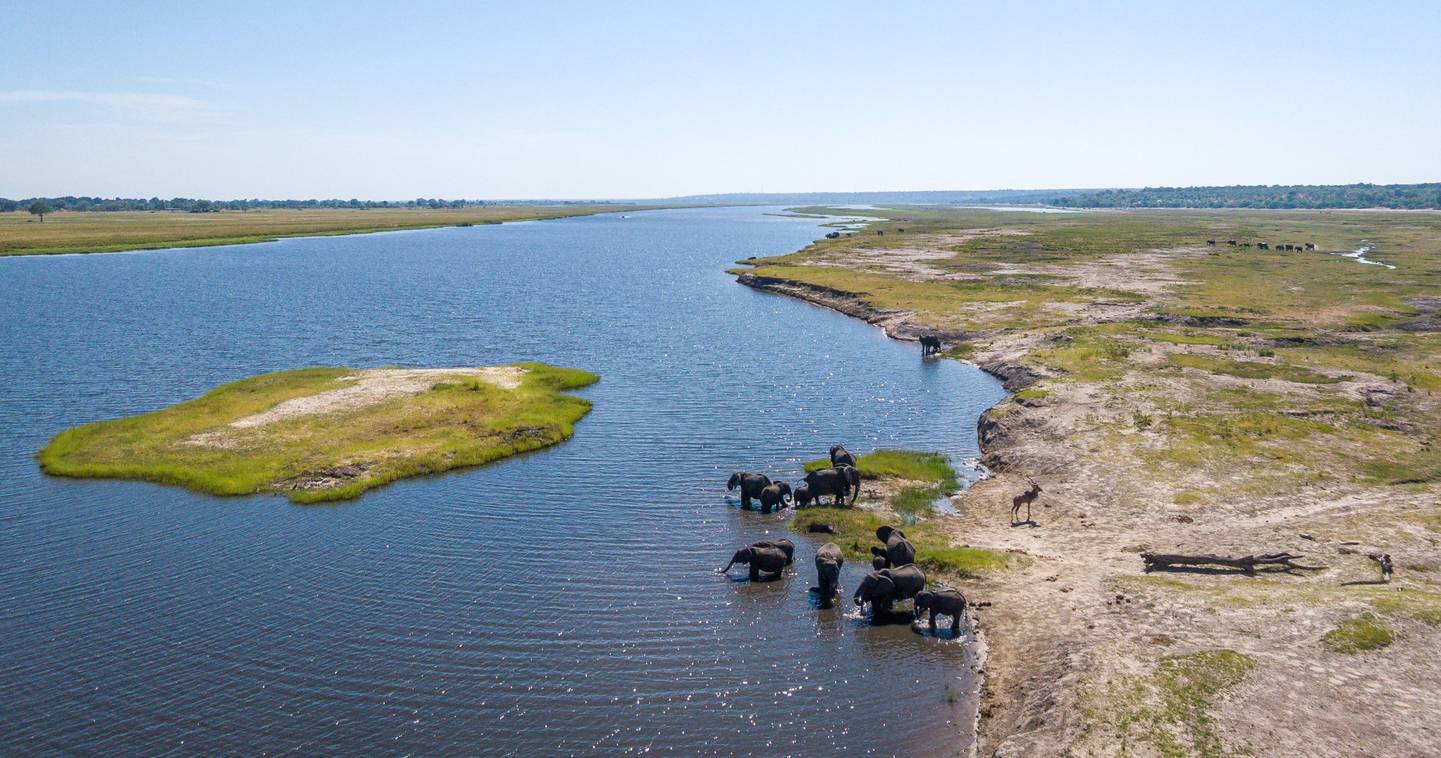
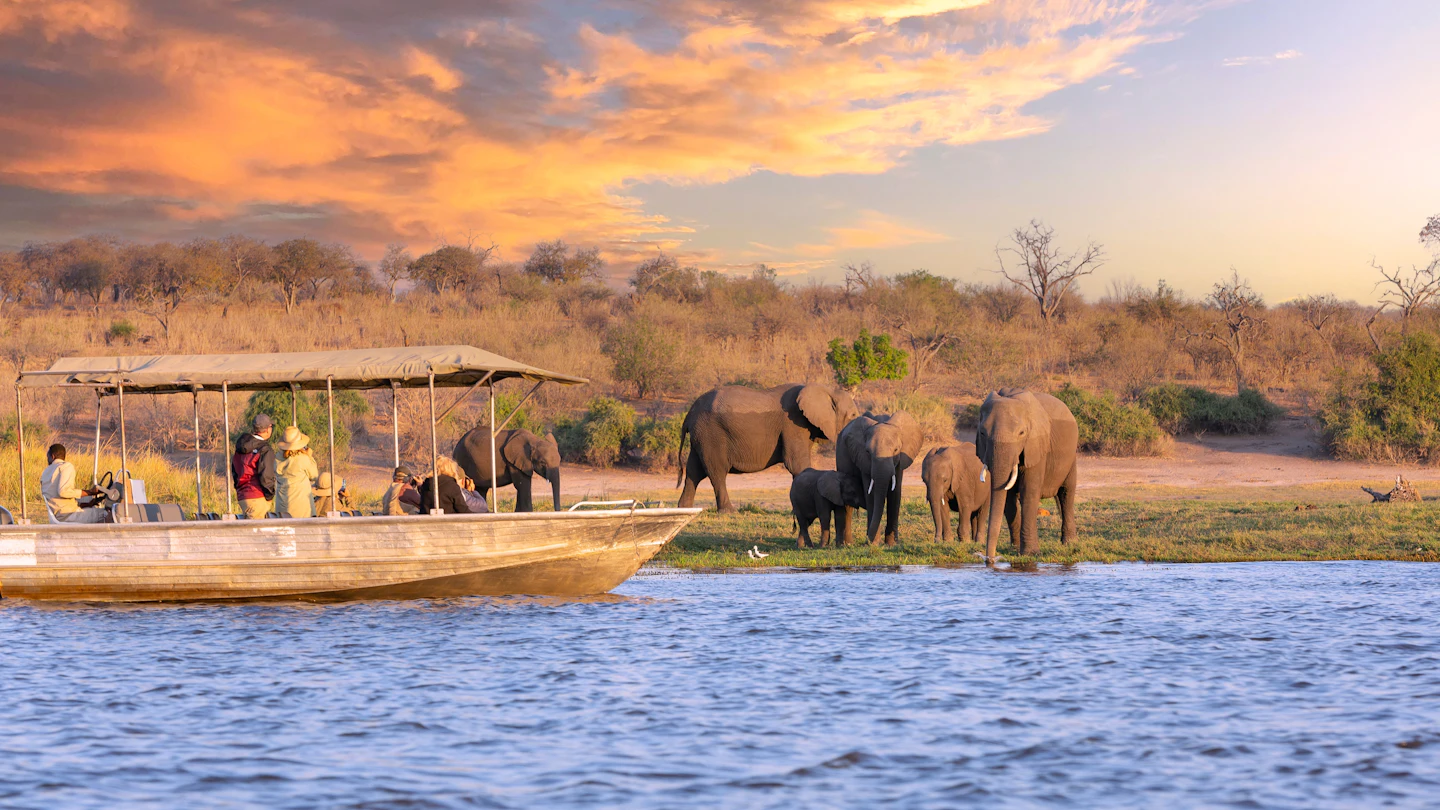
Chobe National Park holds the highest concentration of African elephants on the continent — an estimated fifty thousand individuals move through its 11,700 square kilometres of floodplain, woodland, and swamp.
Gazetted in 1968 as Botswana's first national park, Chobe anchors the northern borderlands where four countries converge: Botswana, Namibia, Zambia, and Zimbabwe. The Chobe River, a lifeline threading through the Kalahari Basin, defines the park's northern boundary and dictates its ecology. During the dry season, from May through October, herds numbering in the hundreds gather along the riverbanks in scenes that resemble the Pleistocene.
The park's fame rests on its elephants, but its four distinct ecosystems — Serondela in the northeast, the Savuti Marsh in the west, the Linyanti Swamps in the northwest, and the arid hinterland between them — support lion prides, leopard, buffalo, hippo, and over 450 bird species. Serondela, the most accessible sector, lies within fifteen minutes of Kasane town and offers both vehicle-based game drives and motorised river cruises. The Savuti Marsh, 180 kilometres southwest, witnessed one of Africa's most dramatic ecological shifts when the Savuti Channel ceased flowing in 1982, transforming wetland into grassland and reshaping predator-prey dynamics for a generation. The channel resumed flow in 2008, and the marsh has slowly re-emerged.
Chobe National Park safari experiences from Victoria Falls and Livingstone account for a significant share of cross-border tourism in the region. Day-trip packages typically combine a morning game drive with an afternoon river cruise, allowing visitors to observe terrestrial and aquatic wildlife within a single outing. Chobe National Park safari lodges inside the reserve — such as those along the Chobe riverfront — offer multi-day immersion, while budget-conscious travellers base themselves in Kasane and purchase single-day permits. The 270 BWP daily conservation fee, collected at the park gates, funds anti-poaching patrols and habitat management.
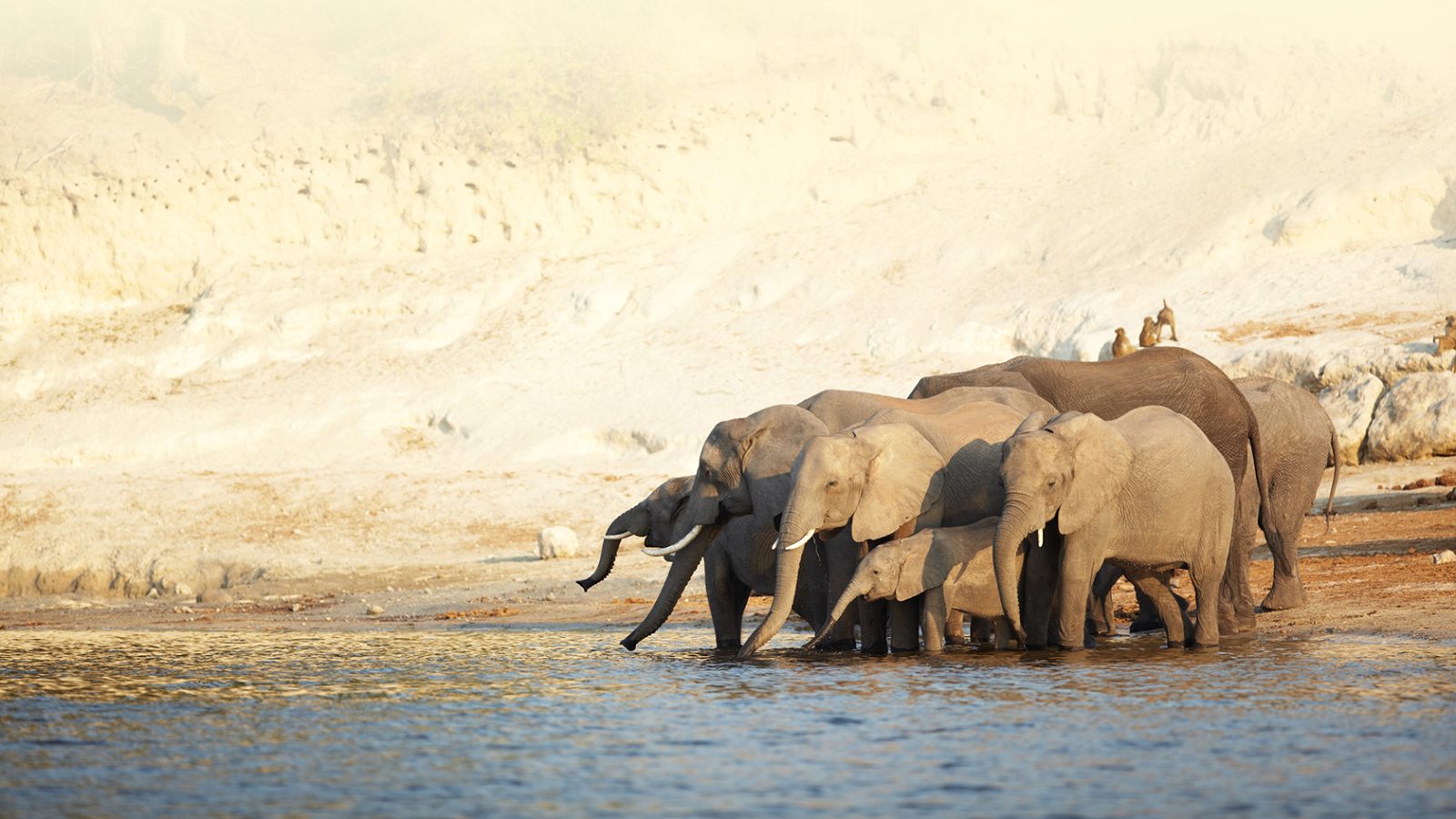
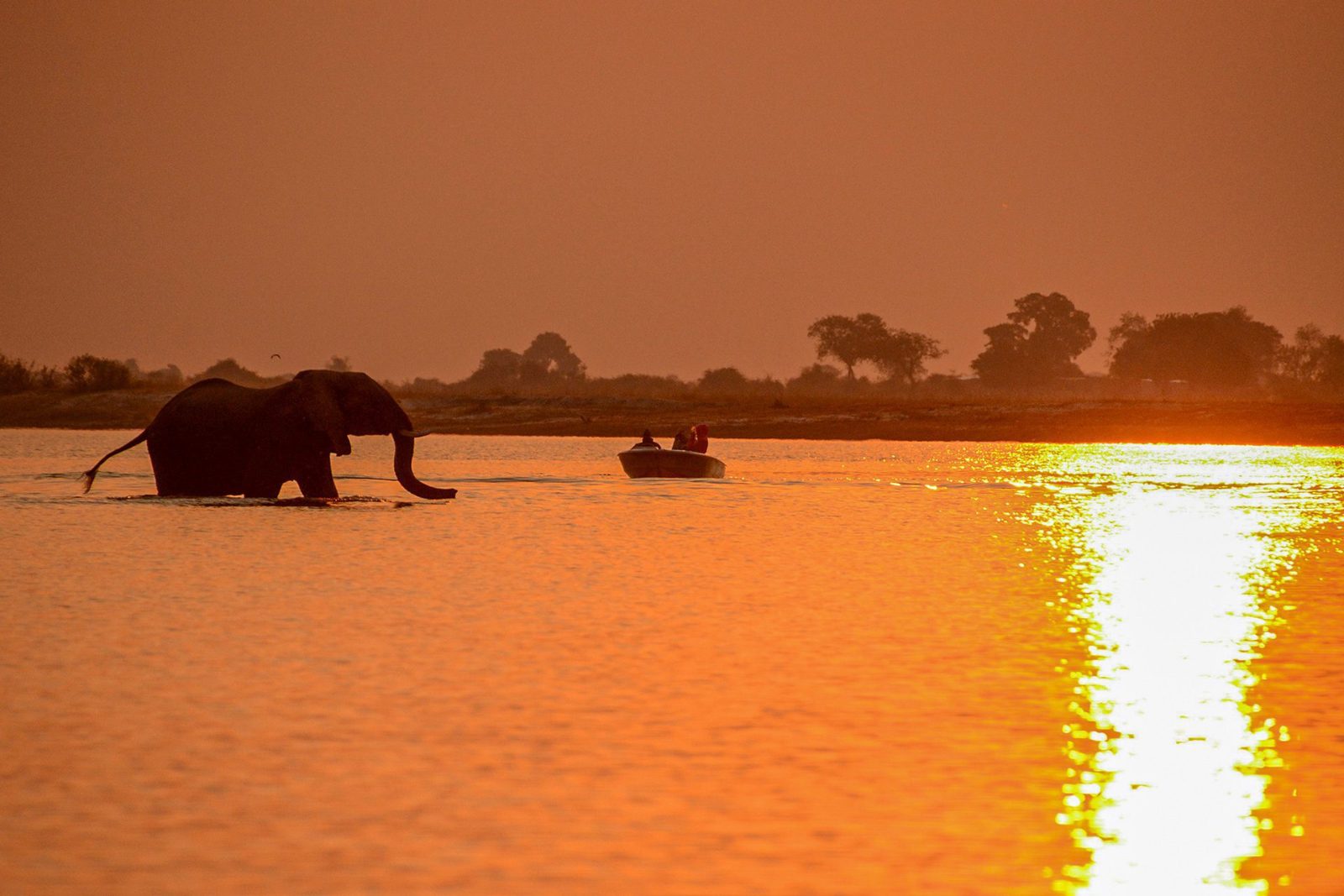
Chobe National Park safari prices vary by season, with peak months (July through September) commanding premium rates due to optimal game-viewing conditions and the park's global reputation. The cooler, drier months concentrate wildlife around permanent water sources, simplifying sightings and shortening search times. Chobe National Park safari reviews consistently highlight the elephant spectacle along the Chobe riverfront at sunset, when herds wade into the shallows and young calves test the current under the watch of matriarchs. The park remains open year-round, and wet-season visits (November through March) reward those willing to navigate muddy tracks with fewer vehicles, abundant birdlife, and newborn antelope.
Chobe holds the highest concentration of African elephants on the continent — fifty thousand individuals move through floodplain, woodland, and swamp.
Wear neutral-colored, breathable clothing suitable for bush environments. Comfortable walking shoes and a wide-brimmed hat are essential for sun protection during a chobe national park safari.
Keep all personal belongings secure within your vehicle. It is mandatory to retain your entry receipt for the duration of your visit to the reserve.
Photography is encouraged throughout the Chobe Riverfront and interior areas. Be mindful of wildlife behavior and maintain a respectful distance during your chobe national park safari.
Children under 8 years enter the park free of charge. Families should prioritize game viewing in the Chobe Riverfront area for the best chances of seeing elephants.
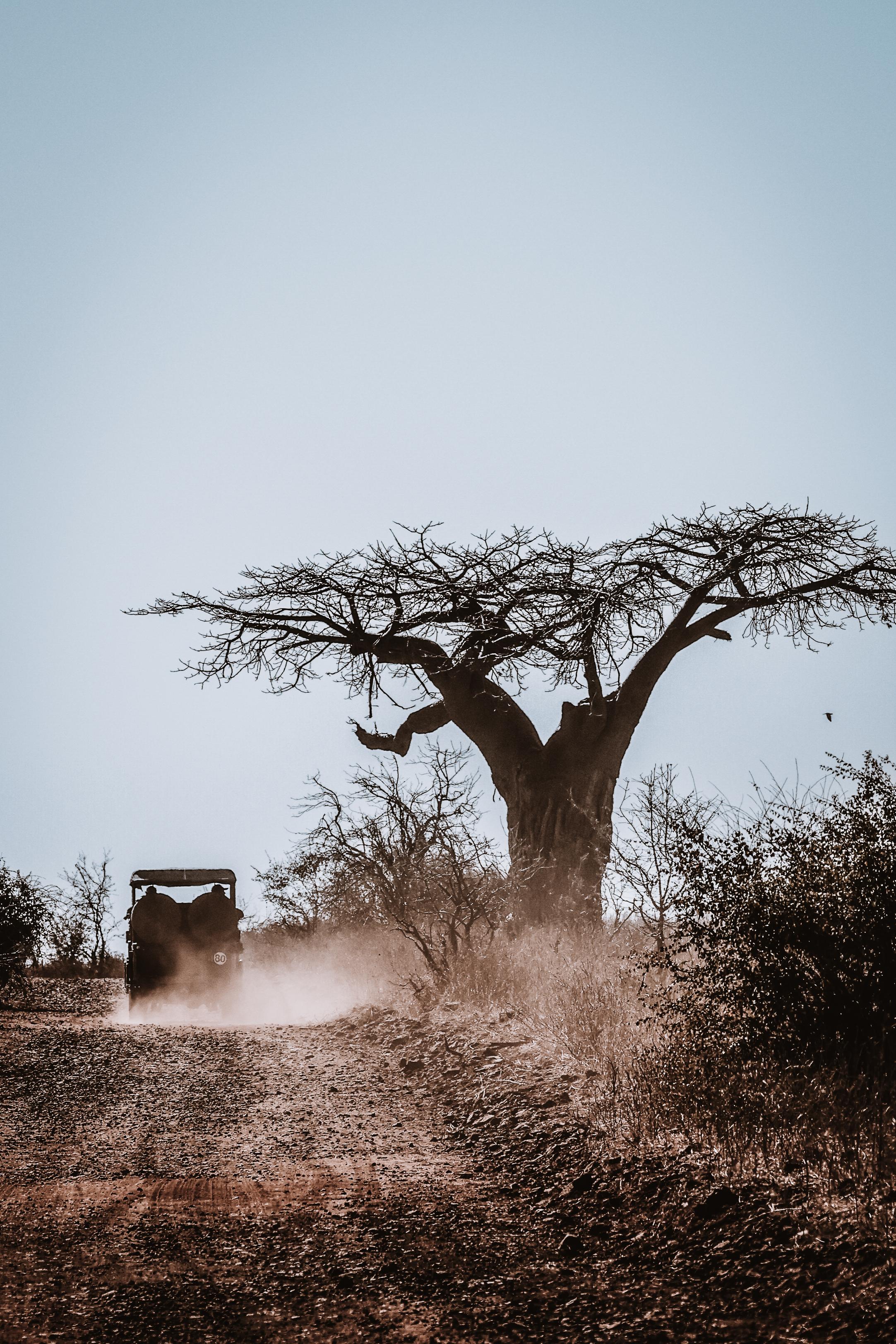
Most areas are only accessible via 4x4 vehicles due to deep sand tracks. Visitors with mobility concerns should book guided safari tours in high-clearance vehicles.
No food or beverages are provided by the park authority; carry sufficient water and snacks. Ensure all waste is kept inside your vehicle and removed from the park.
Opening Hours
06:00–18:30 daily
Address
Chobe National Park, Kasane, Botswana
Accessibility
4x4 vehicle required for most park tracks
Best arrival window
06:00–09:00 — early morning offers cooler temperatures and peak wildlife activity before the heat of the day.
Security
All visitors must retain entry receipts while inside the park
Entrance fee
270 BWP (daily conservation fee, per foreign adult visitor)
Entry fees are non-refundable once paid at the gate. Please ensure your park visit plans are confirmed before arrival.
Recommended time
Half a day to full day
To experience a chobe national park safari effectively, you should prioritize the early morning hours when predator activity is highest. Choosing chobe national park safari tours allows you to balance land-based game drives with relaxing river boat cruises, which are essential for spotting elephants and hippos. Please note that the best arrival window: 06:00–09:00 — early morning offers cooler temperatures and peak wildlife activity before the heat of the day. Purchasing chobe national park safari tickets in advance helps streamline entry during busier mid-morning periods.
Crowd levels through the day
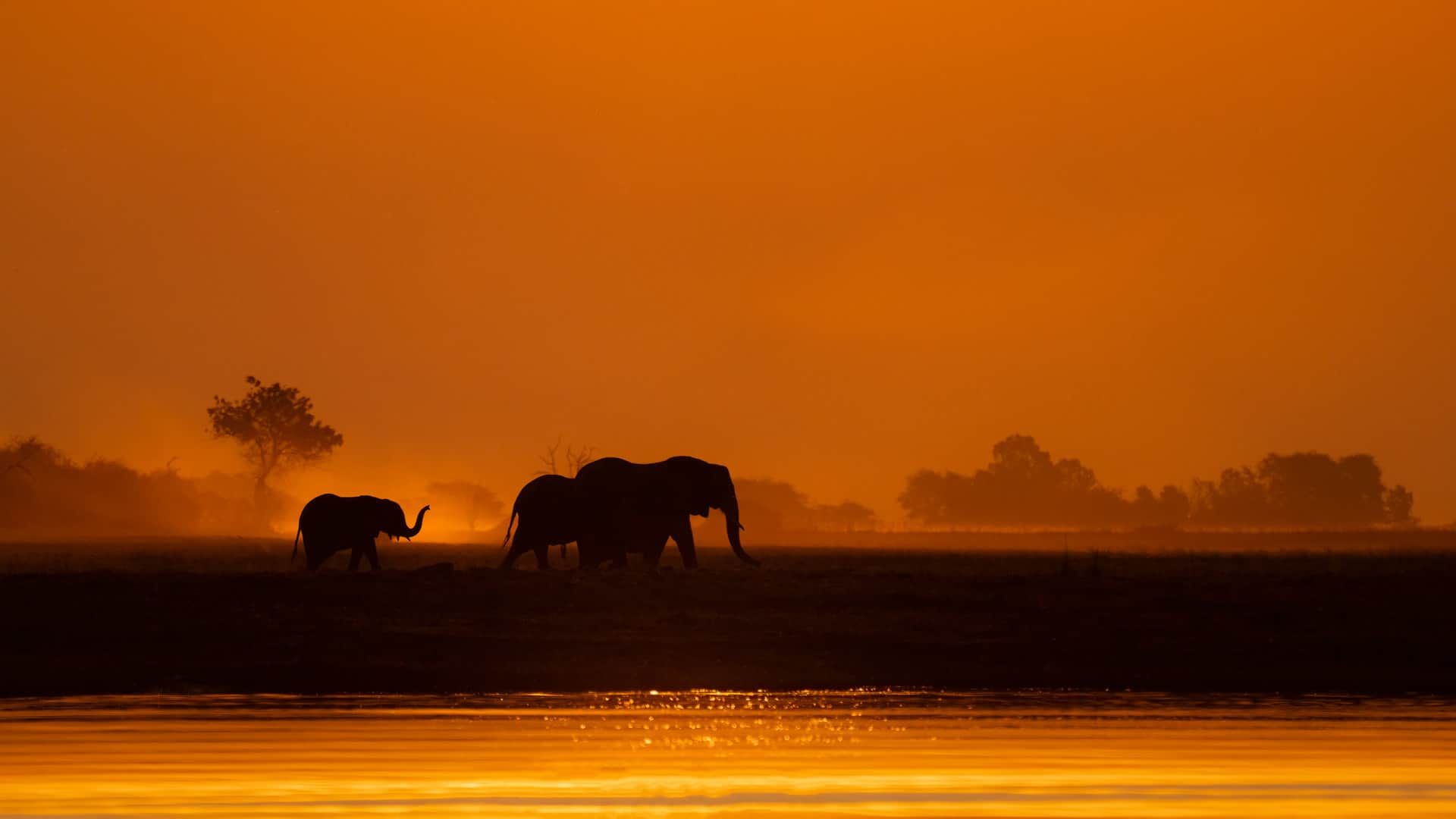
Position your vehicle or boat to capture backlit elephant silhouettes against the water during sunset. This area remains the most popular location for a chobe national park safari to photograph diverse wildlife.
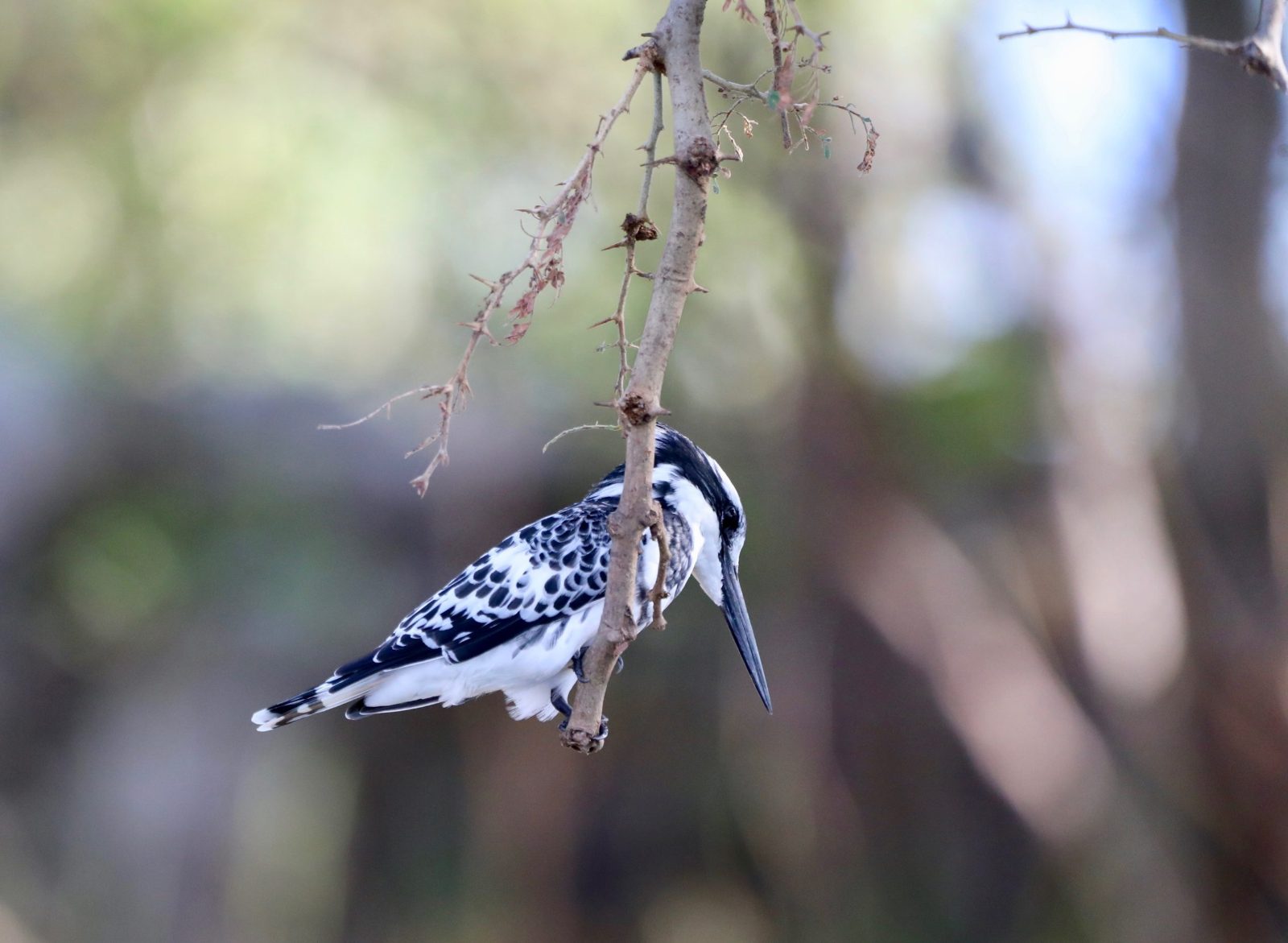
This site allows for ground-level perspectives of birdlife and small mammals foraging in the shade of large teak trees. Keep your lens ready for sudden encounters with local primates.
Navigate the waterways to frame herbivores grazing on lush floodplains with the river reflecting the sky. This aquatic vantage point is ideal for those booking chobe national park safari tours to capture reflections.
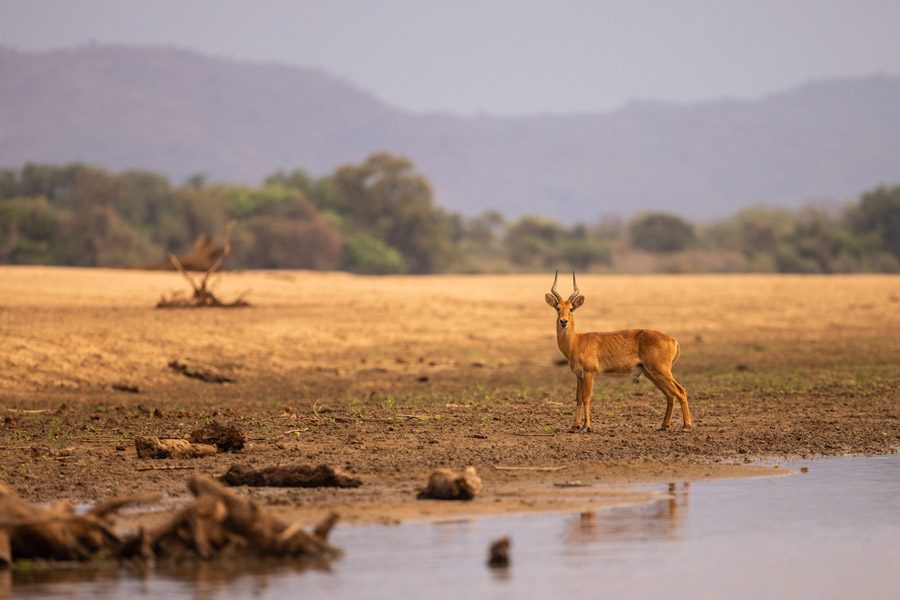
Focus on the unique puku antelope populations that inhabit these grassy plains near the water. Utilize a long telephoto lens to isolate subjects from the surrounding vegetation when embarking on chobe national park safari tickets holders often find this area rewarding.
This boundary area offers opportunities to photograph raptors and larger game moving between the park and neighboring woodlands. It provides a distinct backdrop compared to the riverine habitats found on standard chobe national park safari tour routes.
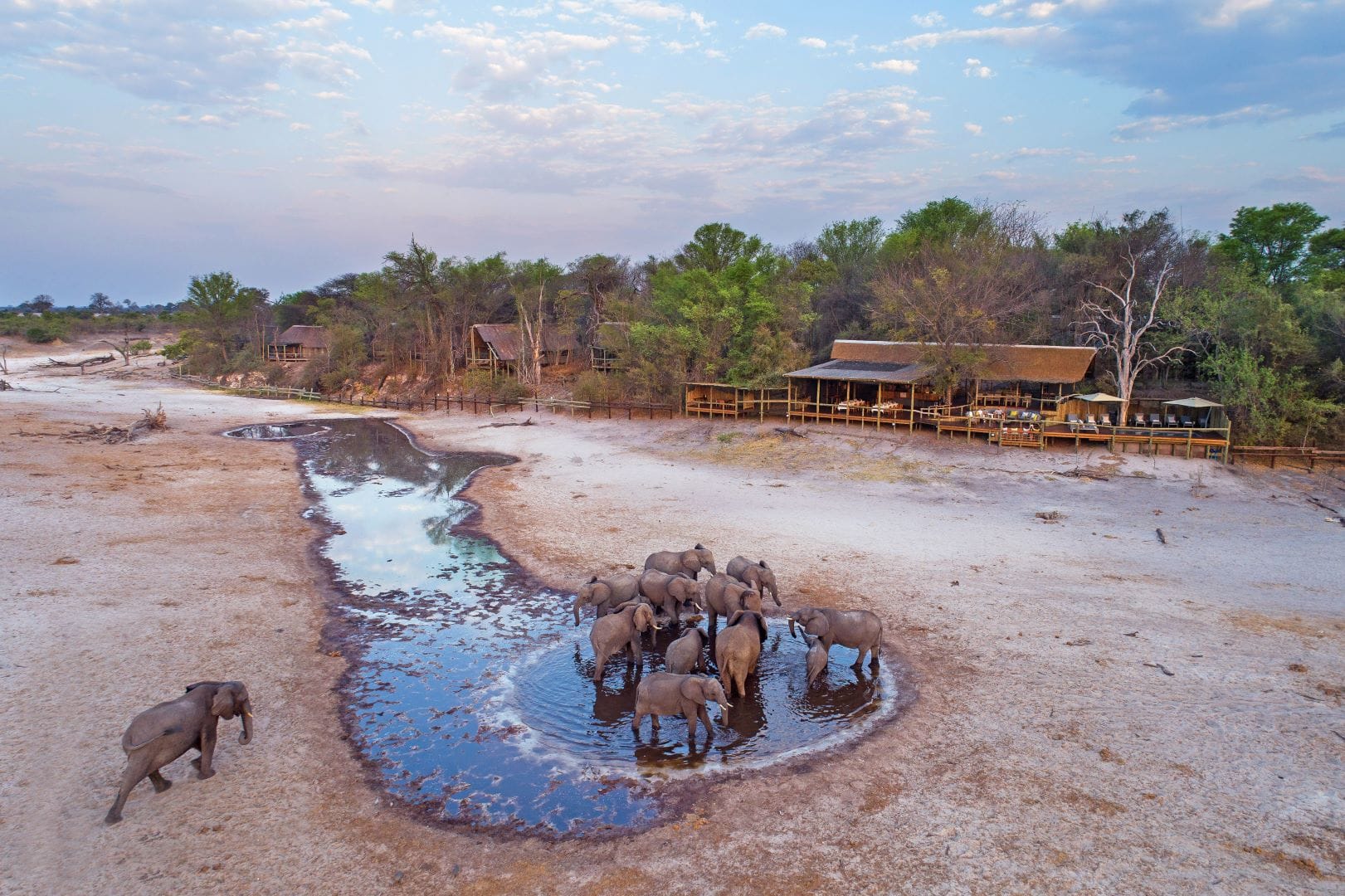
Dining options within the reserve are highly limited, making it essential to coordinate meals with lodge bookings or prepare for a chobe national park safari by packing supplies. Visitors often prefer the convenience of riverside lodges located near the park entrance for more substantial sit-down meals.
This riverfront venue serves diverse dishes with expansive views of the water. It is a preferred stop for those on chobe national park safari tours needing a reliable lunch break.
Real experiences from real travelers
We spent three days on a Chobe National Park safari and saw over 200 elephants in a single afternoon along the river. Our guide spotted a leopard resting in a sausage tree during the morning drive. The density of wildlife here is unmatched compared to other parks we visited in southern Africa.
The boat safari at sunrise offered incredible hippo and crocodile sightings while the afternoon game drive took us deep into the woodlands. We watched a pride of lions take down a kudu near Savuti Marsh. Three full days felt right for covering both the riverfront and the interior.
The sheer number of elephants gathering at the water's edge during dry season was breathtaking. Our morning Chobe safari tour brought us within meters of breeding herds with tiny calves. Birdlife along the floodplain was equally impressive with fish eagles calling constantly.
Wildlife viewing was spectacular but the popular riverfront zones had six or seven vehicles clustered around the same sighting. We moved to quieter sections upstream and had much better encounters. The park itself is stunning and our guide's knowledge made the difference.
Booked Chobe National Park safari tickets through our lodge and spent four days exploring different sectors. Saw wild dogs hunting impala near Ngwezumba pans and countless elephant herds crossing between islands. The variety of habitats keeps every drive fresh and unpredictable.
The afternoon boat cruise delivered the best photographic opportunities of our entire southern Africa trip. Elephants swam across the channel right beside us and a huge crocodile basked on a sandbank two meters away. Land drives were excellent but the water perspective is unique to Chobe.
Visited in late April during peak dry season and wildlife congregated densely around remaining water sources. Our guide tracked a cheetah for an hour through open grassland until it made a unsuccessful chase. The Chobe riverfront at sunset with hundreds of buffalo and elephant is a scene I will never forget.
Our guide's ability to read animal behavior transformed every drive into an educational experience. He positioned us perfectly for a leopard emerging from thick bush at dusk. The park's elephant population is thriving and we witnessed complex social interactions daily along the water.
Covered Savuti Marsh, Linyanti wetlands, and the main Chobe riverfront across our stay. Each zone offered completely different ecosystems and species. Morning game drives consistently delivered the best predator sightings while afternoons were perfect for relaxed elephant watching from the boat.
The concentration of animals during our September visit was remarkable. A Chobe National Park safari exceeded expectations with sable antelope sightings in the woodlands and a rare sighting of a honey badger near our camp. Guides communicate by radio to share special finds across the park.
Everything you need to know for your journey
The park is open daily from 06:00–18:30. Ensure you exit before the gates close.
The conservation fee is 270 BWP per foreign adult visitor per day. Rates are subject to official park adjustments.
The best arrival window is 06:00–09:00 to avoid the heat and see peak animal activity. This is ideal for those starting a chobe national park safari tour.
Yes, most of Chobe National Park requires a 4x4 vehicle due to deep sand conditions. We recommend hiring a guide if you lack off-road experience.
Yes, you can join guided chobe national park safari tours that provide transportation. These operators manage the logistics for your day.
Yes, children are welcome on a chobe national park safari. Children under 8 years enter free, while those aged 8-17 receive a reduced rate.
Bring binoculars, sunscreen, a hat, and your entry receipt. These are essentials for any successful chobe national park safari.
There are no dining facilities inside the park grounds. Pack all necessary water and food for your day-long chobe national park safari.
Yes, you must keep your entry receipt with you at all times during your visit. Rangers may verify it at any point within Chobe National Park.
Join thousands of happy travelers who have discovered this incredible experience
Book Your Experience Now