

Quick answer
Chobe National Park activities center on game drives through the Serondela and Savuti regions, boat safaris along the Chobe River, guided walking safaris in designated zones, and photography sessions from fixed hides. The park opens daily at 05:30, and most operators schedule morning drives between 05:30 and 09:00 to align with peak animal activity. River cruises typically run in late afternoon when elephants descend to the banks in large herds.
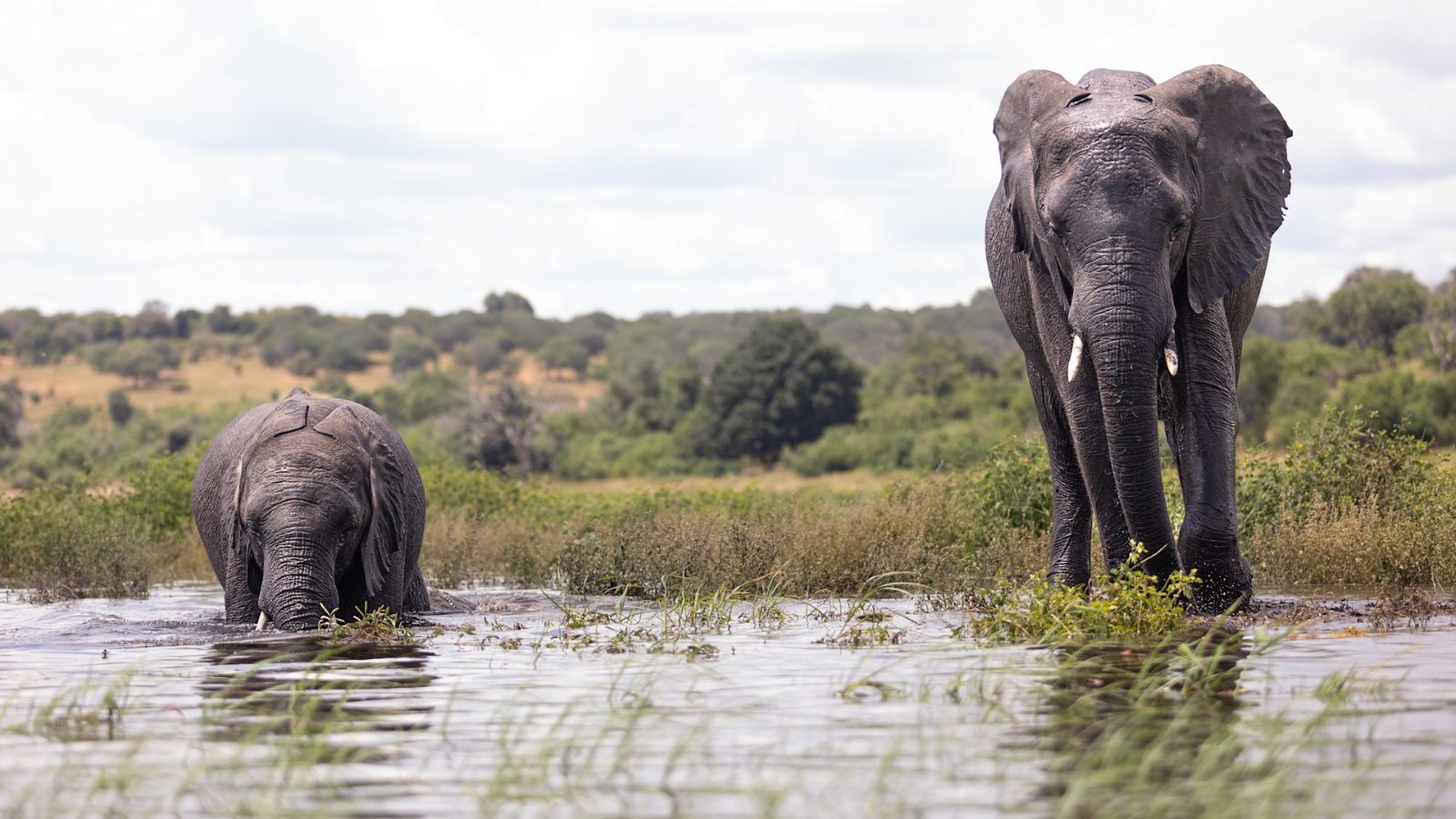
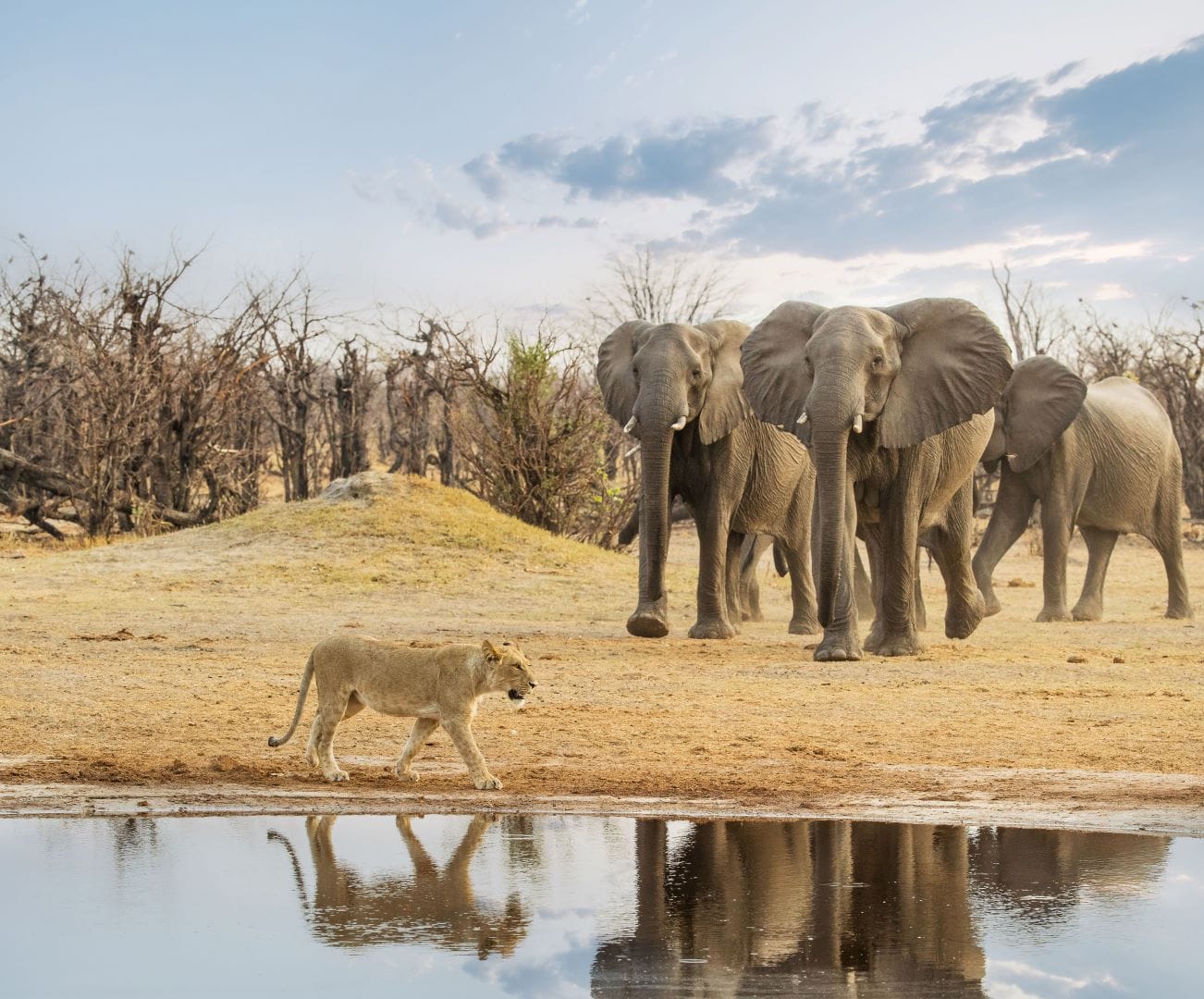
Chobe National Park holds the highest concentration of elephants on the African continent—an estimated 120,000 individuals move through its 11,700 square kilometers of floodplain, mopane woodland, and seasonal marsh. That density shapes every activity available to visitors, from the design of the vehicle routes to the timing of boat departures. Game drives form the backbone of wildlife viewing in Chobe. Operators access the park through the main Sedudu Gate near Kasane, following a network of tracks that radiate through the Serondela riverfront area and into the drier Savuti marsh to the south. Morning drives depart between 05:30 and 06:00, tracking predators before the heat disperses them into shade. Afternoon drives leave around 15:30 and continue through the golden hour when light rakes low across the floodplain. Vehicles are open-sided 4x4s, typically carrying six to nine passengers, with tiered seating for unobstructed sightlines. Guides hold professional certification from the Botswana Tourism Organisation and communicate animal movements by radio, so sightings of lion prides or leopard in the riverine forest often draw multiple vehicles within minutes. Boat safaris along the Chobe River offer a different perspective on the same ecosystem. Two-hour cruises run in the late afternoon, when elephant herds—sometimes 200 strong—wade into the shallows to drink and bathe. Hippos cluster in the deeper channels, and crocodiles sun on exposed sandbars. The boats are flat-decked pontoons or smaller rigid-hulled craft, both stable enough for photography with long lenses. Sunset departures are heavily booked, so securing a spot often requires advance reservation through lodges or Kasane-based operators. Walking safaris operate under strict permit rules. Only licensed guides may lead groups into designated walking zones, typically in the early morning when temperatures remain below 25°C. Walks last between two and three hours, covering terrain that vehicles cannot reach—dry riverbeds, dense jesse bush, and the margins of seasonal pans. The pace is slow, the focus shifted from large mammals to tracking: dung analysis, bark scoring, spoor identification in the sand. These walks are limited to small groups, usually four to six participants, and require a higher level of fitness than vehicle-based game viewing. Photography hides—permanent structures built at waterholes—provide ground-level vantage points for close-range shooting. The hides at Nogatsaa and Tchinga are accessible by vehicle and allow visitors to sit at eye level with approaching animals, eliminating the elevation and noise of a truck. Sessions are self-guided, though guides will often recommend optimal timing based on recent waterhole activity.
“Chobe holds the highest concentration of elephants on the African continent—an estimated 120,000 individuals move through its floodplain and mopane woodland.”
The Best Time for Chobe National Park Activities
The dry season, spanning May to October, provides the most favorable conditions for wildlife observation as animals congregate around the Chobe River. Visiting during the early morning hours optimizes wildlife encounters before the heat of the day sets in.
May to October
Moderate to highDry, 25°C to 30°C
Vegetation thins out, making it easier to spot animals near water sources.
November to April
LowHot and humid, 30°C to 35°C
The landscape turns green and birdlife is prolific, though animals disperse across the park.
Early morning
Low—
The best arrival window is 05:30–09:00, offering superior light for photography and peak animal movement.
Verdict: The optimal time for a safari is the dry season from May to October, specifically arriving during the early morning window of 05:30–09:00.
Essential Chobe National Park Activities and Sightseeing Zones
Chobe National Park offers diverse ecosystems, ranging from riverine forests to expansive marshes, each supporting distinct wildlife populations. Visitors can explore these key zones to experience different facets of Botswana's wilderness.
Chobe Riverfront
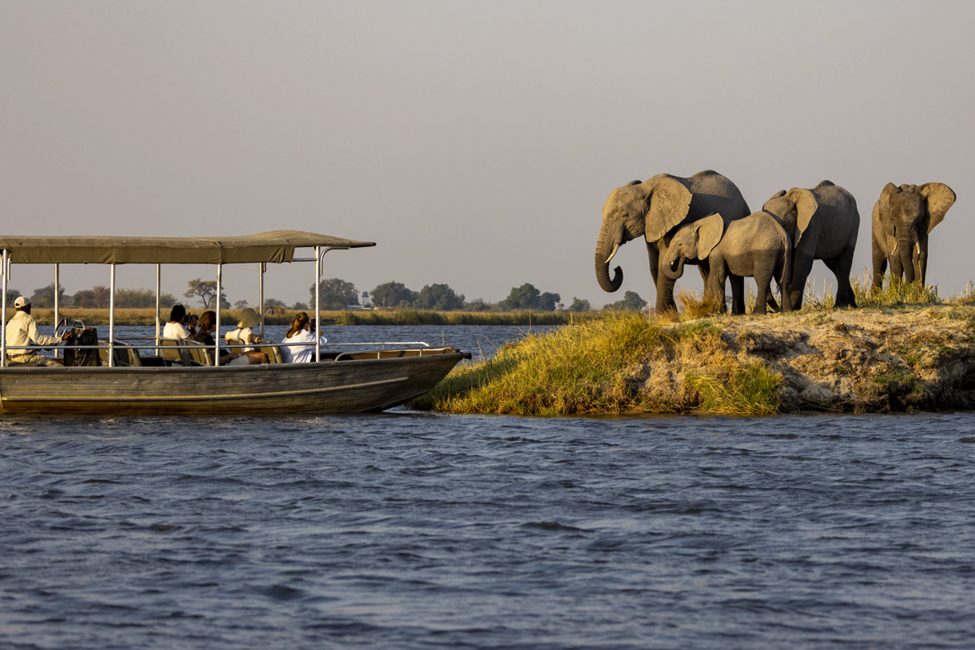
This northern section features dense riverine forests and is famous for large elephant herds congregating along the water. River cruises offer unique angles for viewing hippos and crocodiles.
View from a boat for close-up water-level wildlife photography.
Serondela Area
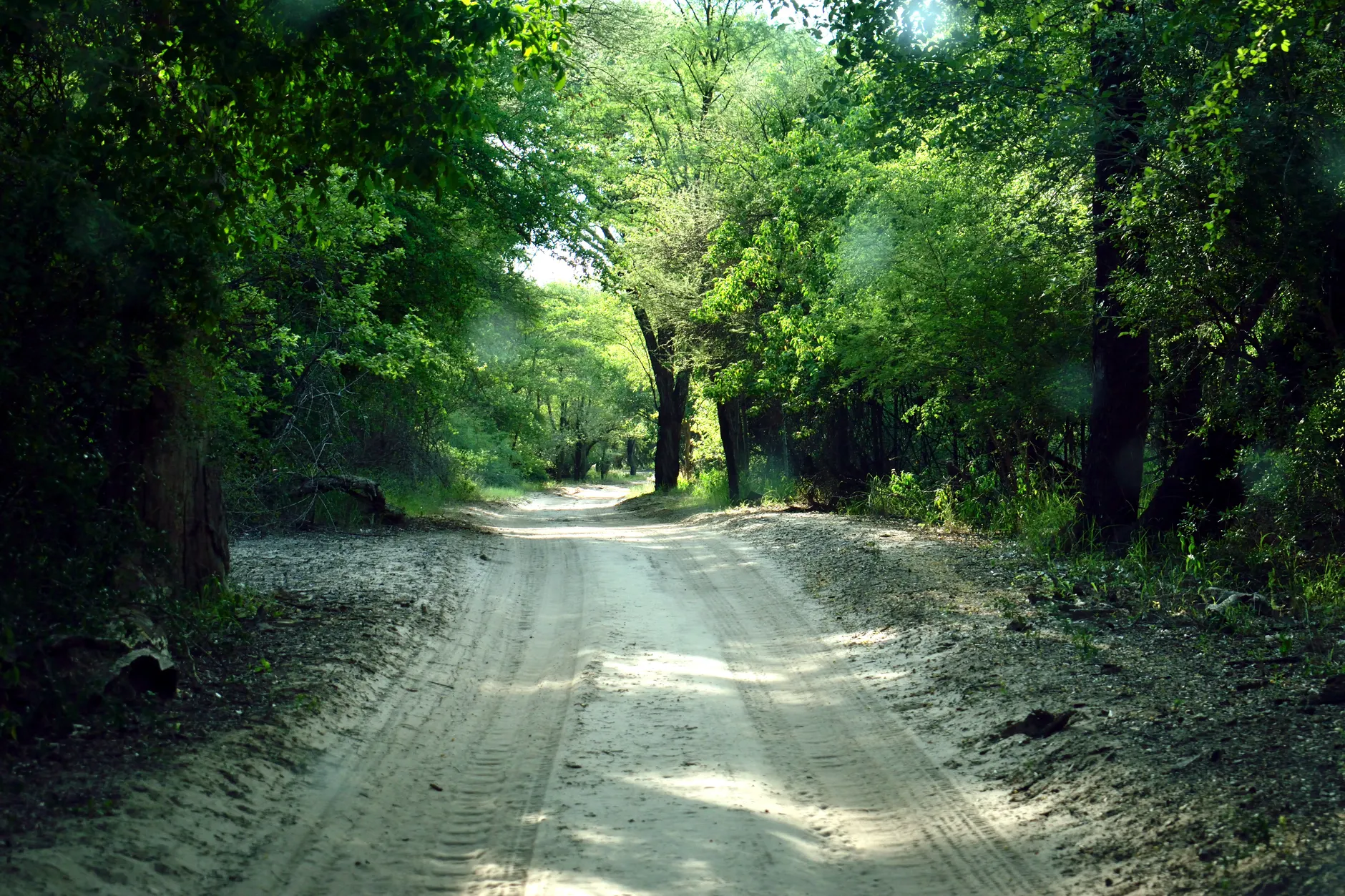
Located along the Chobe River, this lush zone contains large teak forests and attracts various antelope species and birdlife. It provides a quieter environment than the main riverfront access points.
Visit during midday when predators often rest in the shade.
Linyanti Marshes
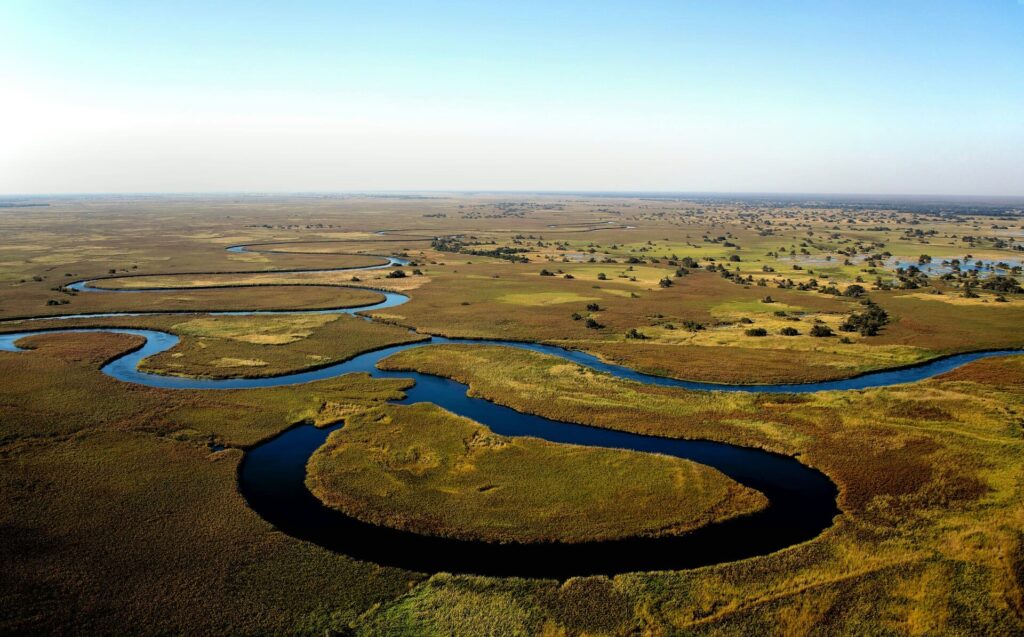
This remote northern region consists of floodplains and waterways that attract significant wildlife concentrations, particularly during the dry season. It is a prime location for tracking rare predators such as wild dogs.
Use a guided 4x4 vehicle to access these marshland tracks.
Savuti Marsh
Situated in the western part of the park, this area is characterized by its dramatic landscape and a history of large pride of lions. The region is known for its migratory zebra populations and prehistoric rock art.
Look for lions near the marsh edges during late afternoon.
Opening Hours for Chobe National Park Activities
Chobe National Park operates on a consistent daily schedule to facilitate visitor access throughout the year.
| Monday | 05:30–19:00 | |
|---|---|---|
| Tuesday | 05:30–19:00 | |
| Wednesday | 05:30–19:00 | |
| Thursday | 05:30–19:00 | |
| Friday | 05:30–19:00 | |
| Saturday | 05:30–19:00 | |
| Sunday | 05:30–19:00 |
How to Reach Chobe National Park Activities
Chobe National Park is located in Northern Botswana, with the town of Kasane serving as the primary gateway for most visitors. The park is most accessible via road from Kasane or through regional flight connections into Kasane Airport.
A33 Highway via Kasane
Public transport to Kasane
Chobe River transfers
Rules and Conduct for Chobe National Park Activities
Chobe's wildlife thrives when visitors follow park protocols. Respectful conduct protects both animals and guests during game drives and boat safaris.
Do
- Remain seated inside your vehicle at all times during game drives
- Keep voices low to avoid disturbing wildlife and other visitors
- Follow your guide's instructions on distance and positioning near animals
- Stay on designated roads and waterways throughout the park
- Secure all loose items to prevent littering in animal habitat
- Dispose of waste only in provided bins at designated rest stops
Don't
- Never exit your vehicle except at designated picnic sites and lookouts
- Don't feed any animals or leave food accessible to wildlife
- Avoid using flash photography which can startle or distress animals
- Don't play loud music or make sudden loud noises
- Never chase or attempt to touch any wildlife
- Don't smoke outside designated areas or discard cigarette butts
Check availability
Common Questions About Chobe National Park Activities
Everything you need to know about chobe national park activities