
Quick answer
Chobe National Park is home to over 120,000 elephants—the largest elephant population on the continent—plus lions, leopards, buffalo, hippos, crocodiles, and more than 450 recorded bird species. The Chobe riverfront concentrates the highest diversity, particularly during the dry season from May to October when animals migrate to permanent water. You'll also encounter sable antelope, roan antelope, puku, and wild dogs in the park's woodland zones.
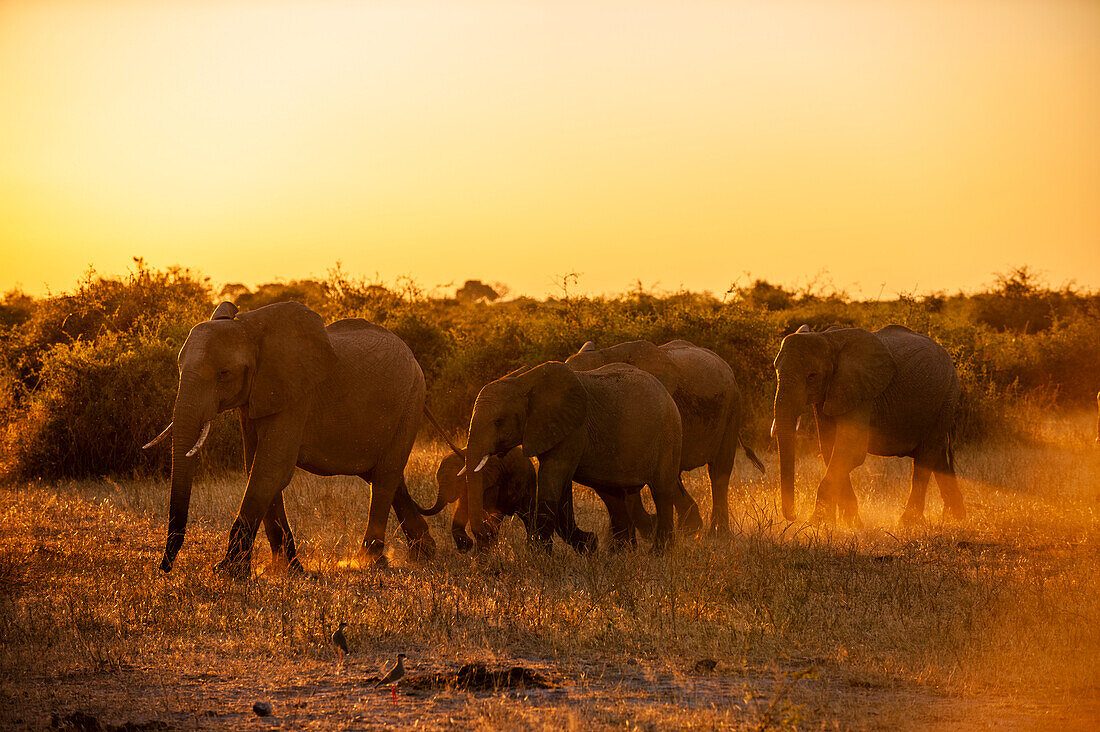
Chobe National Park holds the highest concentration of elephants in Africa, with breeding herds of fifty or more gathering at the riverfront during afternoon hours. The population density reaches its peak between August and November, when herds from across northern Botswana converge on the Chobe River's permanent water. Bulls wade chest-deep to feed on floodplain grasses while calves practice swimming in the shallows. The Chobe riverfront functions as a wildlife corridor between four distinct habitat zones. Floodplains attract grazing species—buffalo herds numbering in the hundreds, zebra, wildebeest, and waterbuck. The mopane woodland behind the river shelters browsers: giraffe, kudu, impala, and elephant family groups that strip bark during the day's heat. Lion prides patrol the transitional zone between forest and floodplain, often visible on exposed termite mounds scanning for prey. Leopards occupy the riverine forest, where fig trees and jackalberry provide daytime cover. Hippos dominate the river itself, with pods of twenty to thirty animals occupying specific stretches year-round. Nile crocodiles bask on sandbanks, reaching lengths over four meters in the park's established populations. African fish eagles and pied kingfishers work the shallows, while Egyptian geese and African skimmers nest on exposed islands during low-water months. The birding list includes carmine bee-eaters that excavate colonial nests in riverbanks each September, and migrant waders from the Palearctic between November and March. Rare species require targeted search effort. Wild dogs range across the park's interior, denning in the Ngwezumba pans area between May and August. Cheetahs hunt the Savuti Marsh grasslands, and roan antelope graze the Linyanti wetlands. Sable antelope—Chobe's signature antelope—favor the mopane and mixed woodland northwest of the riverfront. What animals can you see in Chobe National Park depends on which zone you explore and the season's water distribution. The 06:00 to 09:00 arrival window aligns with peak predator activity and the calm light that brings animals to the river's edge before midday heat disperses them into cover.
“Chobe's elephant population density reaches its peak between August and November, when herds from across northern Botswana converge on the river's permanent water.”
What Animals Can You See In Chobe National Park: Wildlife Highlights
Chobe National Park supports one of the highest concentrations of wildlife in Africa, centered largely around the Chobe Riverfront. Visitors can observe diverse species ranging from massive elephant herds to varied predators in their natural habitat.
Chobe Elephant Herd
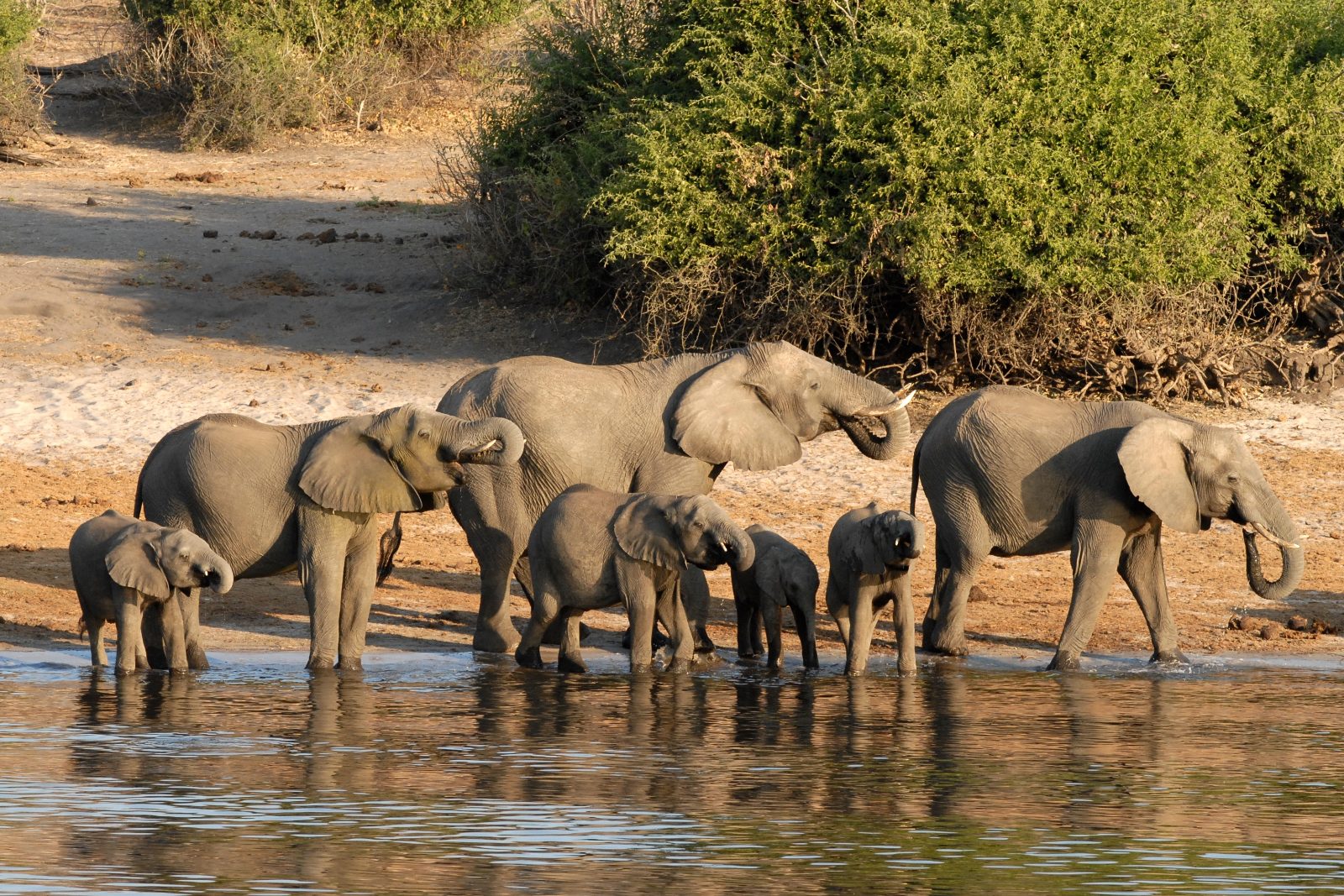
The park is home to an estimated 120,000 elephants, often seen bathing or crossing the river in large family units.
Look for herds at the riverbanks during late afternoon hours.
Chobe Riverfront Predators
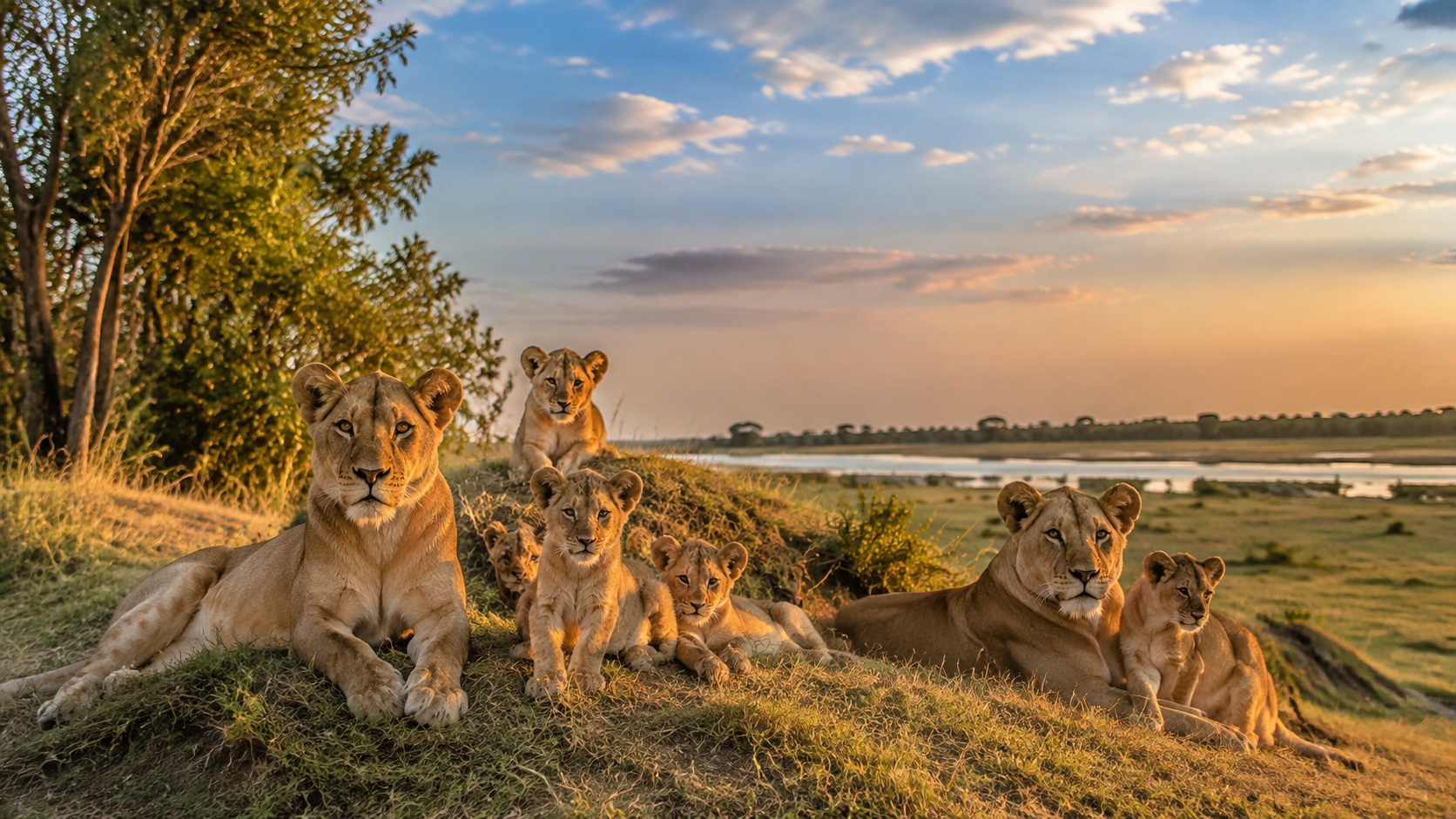
Lions, leopards, and spotted hyenas are frequently sighted patrolling the riverbanks in search of prey.
Focus on areas with dense bush near the water edge.
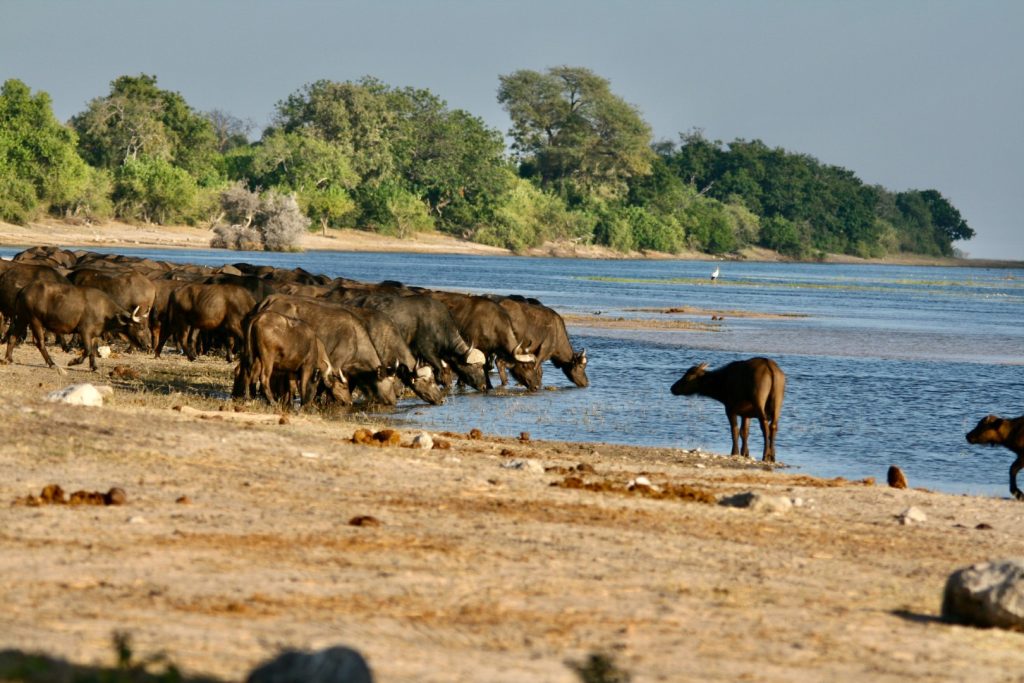
Cape Buffalo
Large herds of Cape buffalo congregate near the Chobe River to drink throughout the day.
Watch for dust clouds indicating a herd approaching the water.
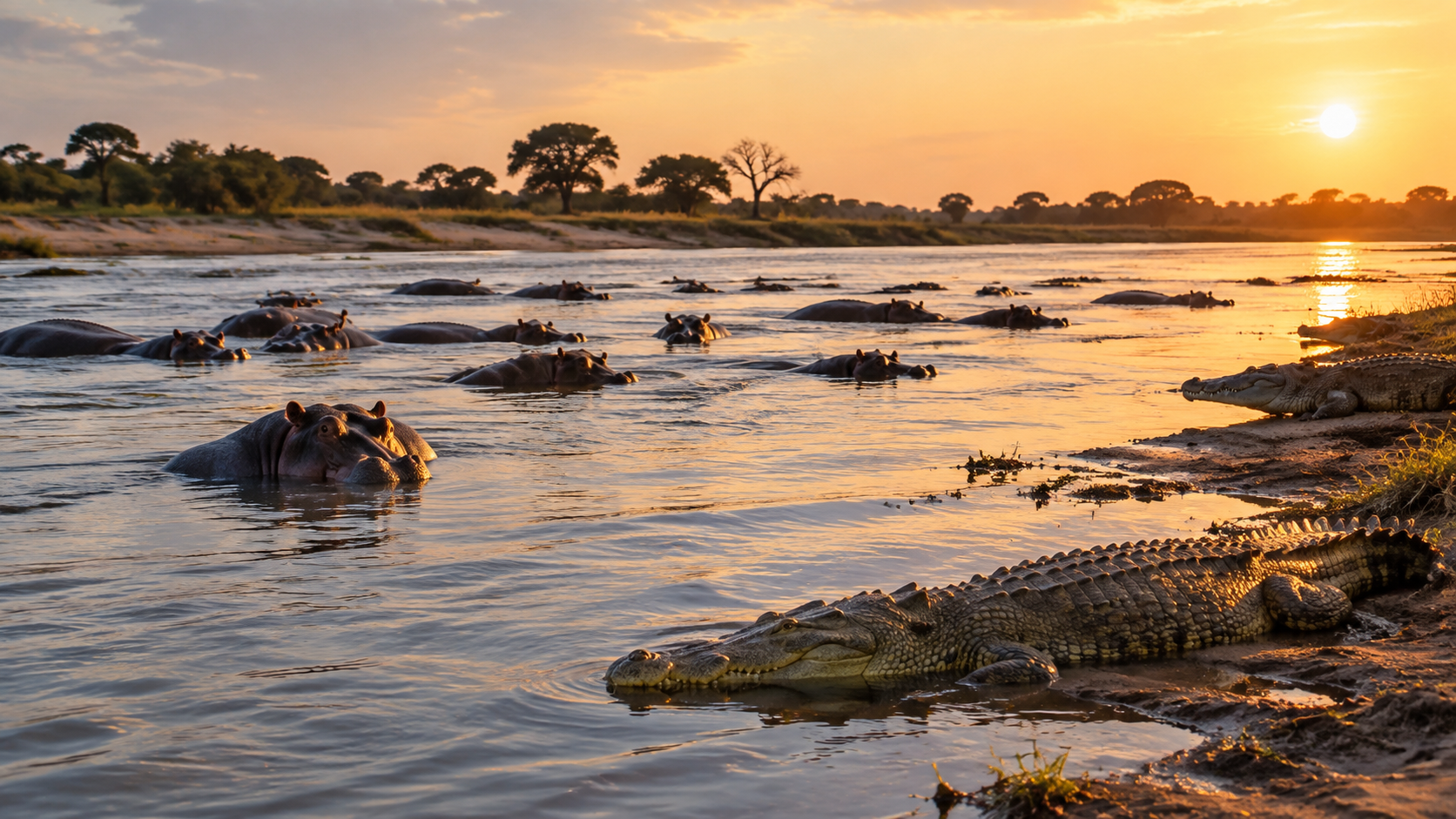
Chobe River Hippos and Crocodiles
The river supports a high density of Nile crocodiles and pods of hippos submerged in the shallows.
Use binoculars to spot eyes and ears above the water.
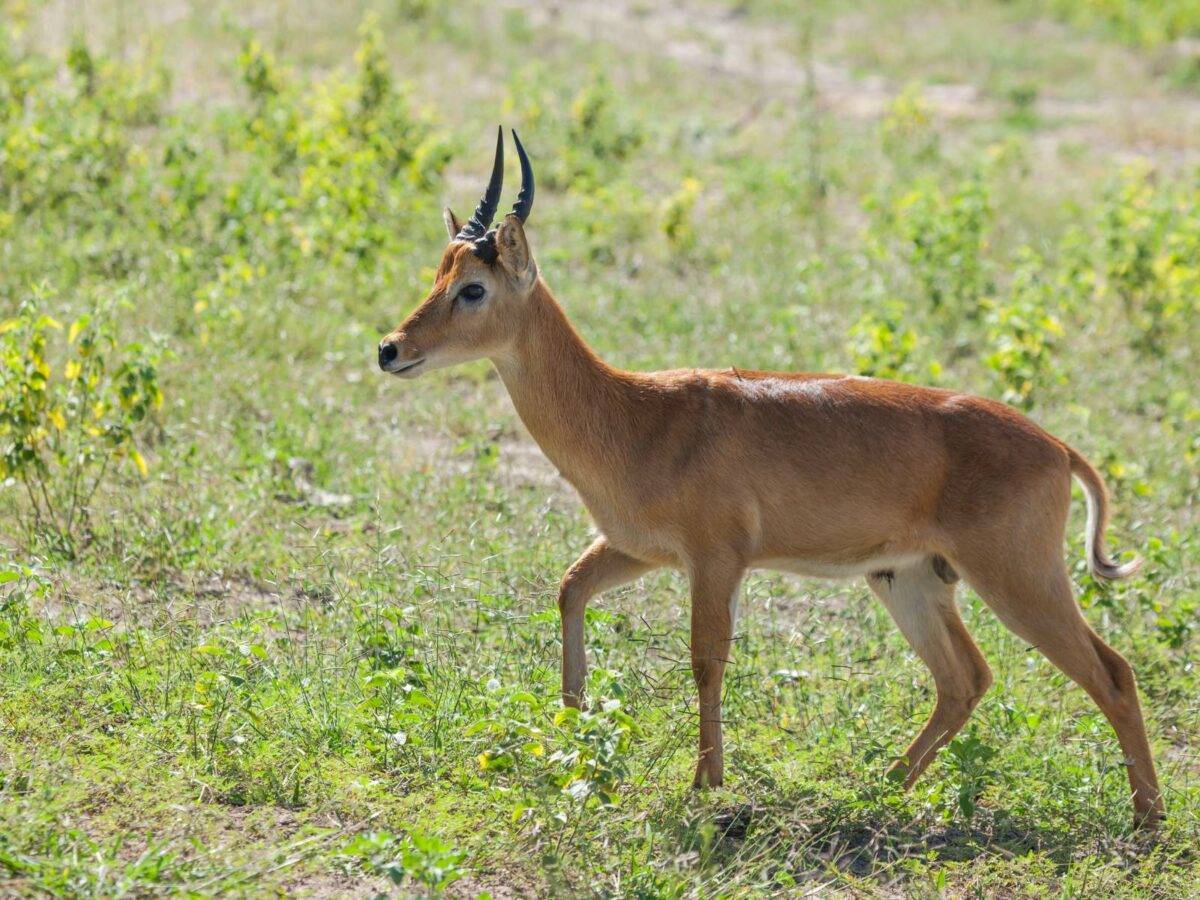
Chobe Antelope Species
Puku, lechwe, kudu, and impala are abundant throughout the floodplains and woodland areas.
Scan the tree lines for movement during the early morning.
When Is The Best Time To See What Animals You Can See In Chobe National Park
The dry season, spanning May to October, offers the highest probability of wildlife sightings as animals congregate along the Chobe River to drink. For daily viewing, the best arrival window is 06:00–09:00, when peak wildlife activity occurs before the midday heat disperses herds.
Dry Season (May–October)
Moderate to highMild temperatures, 10°C–28°C
Vegetation thins and surface water vanishes, forcing animals to the riverfront consistently.
Wet Season (November–April)
LowWarm and humid, 20°C–35°C
Wildlife disperses into the bush as seasonal pans fill with rainwater.
Early Morning Arrival
Low to moderate—
Arriving at 06:00 ensures you reach the riverfront before heat causes animals to seek shade.
Verdict: For optimal wildlife density, target the dry season months of May through October and plan your entry between 06:00 and 09:00.
Opening Hours For Viewing What Animals You Can See In Chobe National Park
Chobe National Park remains open to visitors daily throughout the week, including weekends and public holidays. These operational hours provide consistent access for observing the diverse wildlife populations throughout the park.
| Monday | 06:00–18:30 | |
|---|---|---|
| Tuesday | 06:00–18:30 | |
| Wednesday | 06:00–18:30 | |
| Thursday | 06:00–18:30 | |
| Friday | 06:00–18:30 | |
| Saturday | 06:00–18:30 | |
| Sunday | 06:00–18:30 |
Getting There To Discover What Animals You Can See In Chobe National Park
Chobe National Park is located in Kasane, Botswana, serving as the primary gateway for those traveling to view the park's diverse wildlife. The most accessible approach is through Kasane, which is well-connected by road and air.
A1 highway to Kasane via Nata
Public bus services to Kasane Terminal
Chobe River boat transfer from Namibia/Zambia border
Practical Tips For Seeing What Animals You Can See In Chobe National Park
Maximize your wildlife observations by utilizing specific field techniques and adhering to established park observation protocols.
Prioritize vehicle positioning
Position your vehicle at a slight angle to the animals to provide a clearer line of sight for all passengers without crowding the wildlife. This minimizes stress on the animals and prevents obstructing the view for other vehicles.
Limit vehicle movement
Once you spot a predator or a rare sighting, switch off the engine and remain stationary for at least ten minutes. Animals are more likely to exhibit natural hunting or social behaviors when they do not perceive the vehicle as a mobile threat.
Focus on water edges
Scan the sediment and mud at the river's edge for tracks before looking for the animals themselves. Fresh spoor often indicates that large mammals, such as elephants or lions, have moved through the area within the last hour.
Use binoculars for birds
Do not rely on the naked eye to identify raptors and waterbirds in the high branches. Using stabilized binoculars allows you to distinguish diagnostic field marks that are essential for accurate identification from a distance.
Observe animal signals
Watch the behavior of impala and baboons, as their alarm calls frequently signal the presence of nearby leopards or lions. If these prey species suddenly stop grazing and stare intently in one direction, remain quiet and focus your attention on that area.
Check availability
Frequently asked questions about wildlife in Chobe National Park
Everything you need to know about what animals can you see in chobe national park