

Quick answer
The dry season from May through October is when to visit Chobe National Park for concentrated wildlife viewing. Animals gather along the Chobe River as inland water sources disappear, creating dense concentrations of elephants, buffalo, and predators. The green season from November to April brings afternoon thunderstorms, lush vegetation, and excellent birding, though some animals disperse from the riverfront.
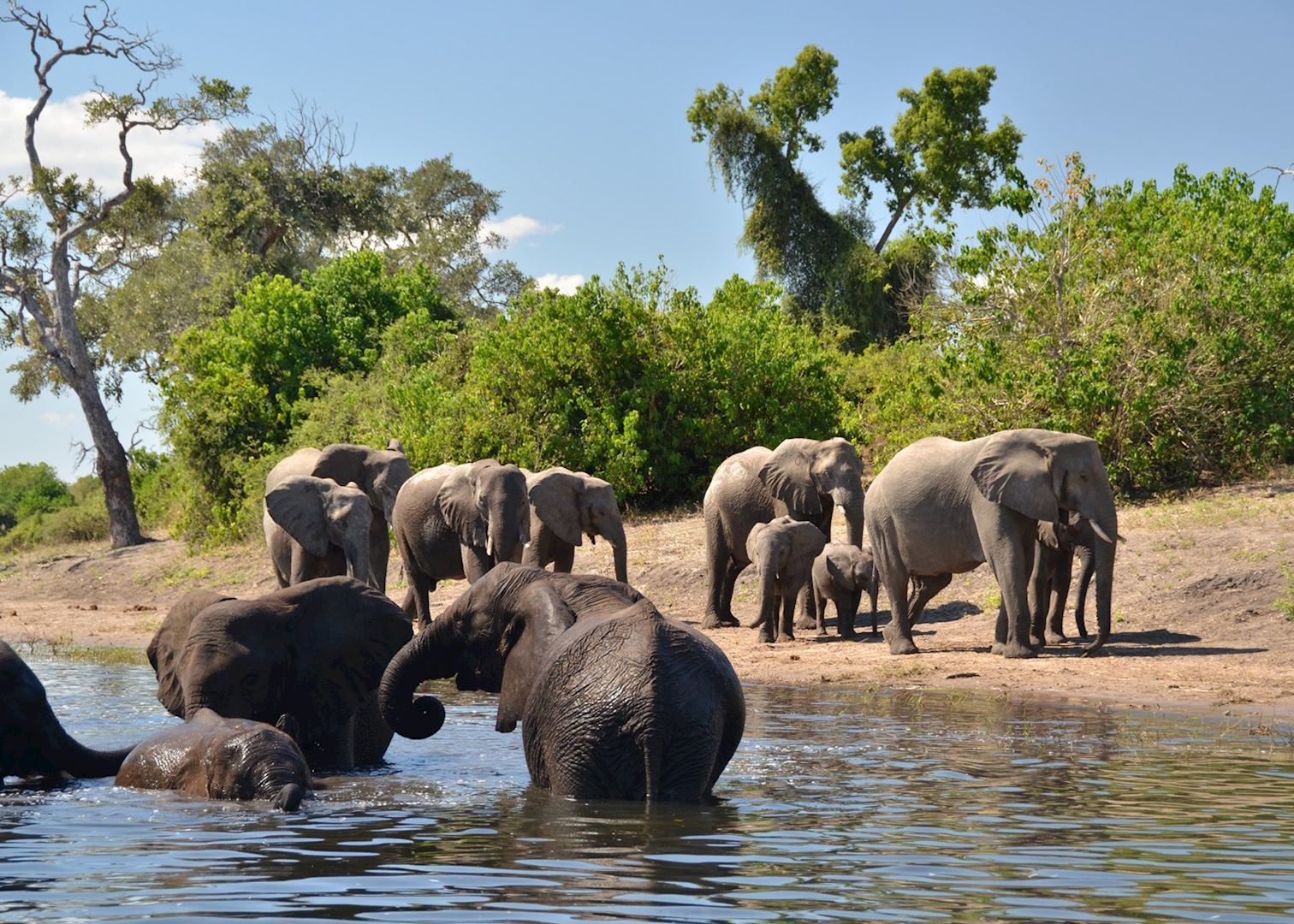
Chobe National Park sustains Africa's largest elephant population—an estimated 120,000 individuals—and their movements dictate the rhythm of every safari season. During the dry months between May and October, the Chobe River becomes the only permanent water source for hundreds of kilometers, drawing massive herds to its banks in daily processions visible from both land and boat. July and August see the highest concentrations, with several hundred elephants often visible in a single afternoon game drive along the Chobe riverfront. Predator sightings peak during this period as lions and leopards track the herbivore gatherings. The green season from November through April transforms the park into a different landscape. Summer rains fill seasonal pans across the interior, and animals disperse from the river to exploit fresh grazing and browse. Vegetation thickens, making game harder to spot, but the trade-off rewards birders and photographers: over 460 bird species inhabit Chobe, and migrants from Europe and central Africa arrive in November. Carmine bee-eaters nest in riverbank colonies, African fish eagles hunt the swollen channels, and the Savuti Marsh—dry for much of the year—becomes a shallow lake attracting flamingos and pelicans. Temperature and accessibility also shape the best months to visit Chobe National Park. Winter days from June to August are mild, with morning temperatures near 10°C and afternoon highs around 25°C—comfortable for long game drives and walking safaris. Summer heat peaks in October and November before the rains arrive, with midday temperatures exceeding 35°C. Roads remain passable year-round in the Chobe riverfront sector, but tracks in Savuti and Linyanti can become impassable mud during heavy January and February rains. Most lodges stay open throughout the year, though a handful close for maintenance during the wettest weeks.
“July and August see the highest elephant concentrations, with several hundred individuals often visible in a single afternoon along the Chobe riverfront.”
Seasonal Trends: When to Visit Chobe National Park
The dry season, spanning May to October, provides the most consistent wildlife viewing as animals congregate near the Chobe River. This period offers the highest probability of sightings due to thinning vegetation and predictable water sources.
Dry Season (May–Oct)
High trafficDry, 10°C to 30°C. Large herds gather at water sources during these cooler, rainless months.
Wet Season (Nov–Apr)
Lower volumeHumid, 20°C to 35°C. Landscapes turn lush, and birdlife is prolific, though game is harder to spot.
Shoulder Months (May & Oct)
ModerateVariable, 15°C to 32°C. These transition periods balance fair weather with increasing wildlife activity at the riverfront.
Verdict: For the most reliable game viewing, visit during the dry months of June to August, aiming for the best arrival window of 06:00–09:00 to maximize activity.
Daily Opening Hours for When to Visit Chobe National Park
Chobe National Park remains open to visitors daily, including weekends. Planning your visit for the early morning window provides access to higher wildlife activity and cooler temperatures.
| Monday | 06:00–18:30 | |
|---|---|---|
| Tuesday | 06:00–18:30 | |
| Wednesday | 06:00–18:30 | |
| Thursday | 06:00–18:30 | |
| Friday | 06:00–18:30 | |
| Saturday | 06:00–18:30 | |
| Sunday | 06:00–18:30 |
Logistics: How to Get There When You Visit Chobe National Park
Chobe National Park is located in the town of Kasane, Botswana, which serves as the primary gateway for visitors. The most direct approach is via Kasane International Airport, followed by a short road transfer to the park entrance.
A1 highway from Gaborone to Kasane
Public coach services to Kasane Bus Station
Local transfer from Kasane Airport to Chobe National Park
Chobe River transit from border crossings
Essential Prep for When to Visit Chobe National Park
Prepare these essentials before heading to Chobe to ensure smooth entry and a comfortable safari experience.
-
Confirm your booking and park entry in advance — Lodges and safari operators arrange permits; independent visitors should verify requirements with Botswana Tourism.
-
Carry valid passport and travel documents — International visitors need passports for entry and may require visas depending on nationality.
-
Pack binoculars and a camera with zoom lens — Wildlife viewing from boats and vehicles benefits from magnification; most sightings occur at distance.
-
Bring neutral-toned clothing and sun protection — Light colors reduce heat absorption while earth tones blend into the environment; high UV levels require sunscreen and hats.
-
Arrange malaria prophylaxis with your doctor — Chobe is in a malaria zone; consult a travel health clinic 4-6 weeks before departure.
-
Prepare cash in Botswana pula for conservation fees — The 270 BWP per person daily fee is collected at park gates; card facilities may be limited.
Check availability
Frequently Asked Questions About When to Visit Chobe National Park
Everything you need to know about when to visit chobe national park